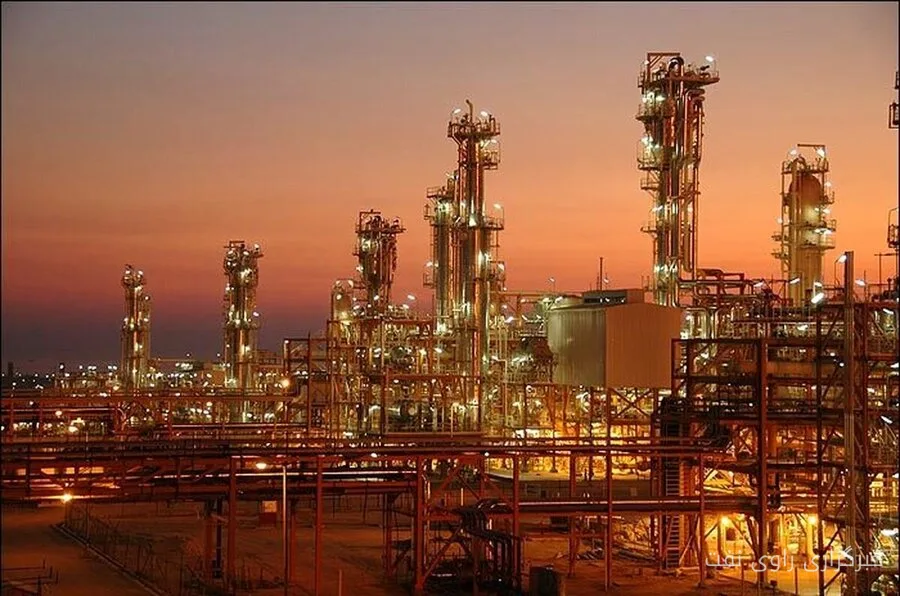
Refinery symbols "Shapna", "Shabandar", "Shatran", "Shabriz" and "Sharaz" were suspended from trading on the Tehran Stock Exchange as of October 3rd, 2024. This suspension was due to suspicions of price manipulation and the use of insider information, and the market supervisor did not approve the trades of these five companies for that day according to Article 31 of the Executive Instructions for Conducting Transactions.
Disclosure of Information and New Government Resolution
On October 21st, 2024, coinciding with the announcement of the new government resolution, the refining companies published their information disclosure notices on the Codal system. The companies "Shatran", "Sharaz", "Shapna" and "Shabriz" released information regarding the new feed pricing and petroleum product pricing guidelines, while "Shabandar" has not yet provided any disclosures. In these notices, the financial impact of the event on total assets and sales revenue from the last financial year is stated as "uncertain".
Details of the New Feed Pricing Resolution
According to the cabinet resolution, the basis for pricing feed and main products will be valid until the end of September 2026, in accordance with the guidelines of January 12th, 2024, from the Ministry of Oil. From the beginning of October 2024, the new pricing formula will be used as the basis for calculations. The new changes will have a direct impact on the performance of refining companies in the second half of the year.
One significant change in the resolution is the adjustment of the discount rate for light and heavy crude oil feed pricing. The fixed shortfall for light crude oil has been reduced from five dollars to two dollars per barrel, while the shortfall for heavy crude oil has decreased from six dollars to 4.1 dollars. Conversely, the shortfall for gas condensate pricing has increased to 3.1 dollars per barrel. These changes indicate an increase in the price of light crude oil by three dollars and heavy crude oil by 1.9 dollars per barrel.
Due to differences in the feed supply structure, the effects of this resolution will not be uniform across refineries. Companies dependent on crude oil will face increased costs, while units consuming gas condensates may benefit from lower feed prices. Additionally, adjustments in the pricing of petroleum products based on qualitative indicators such as octane rating and sulfur content may also impact the revenues and profit margins of refineries.



