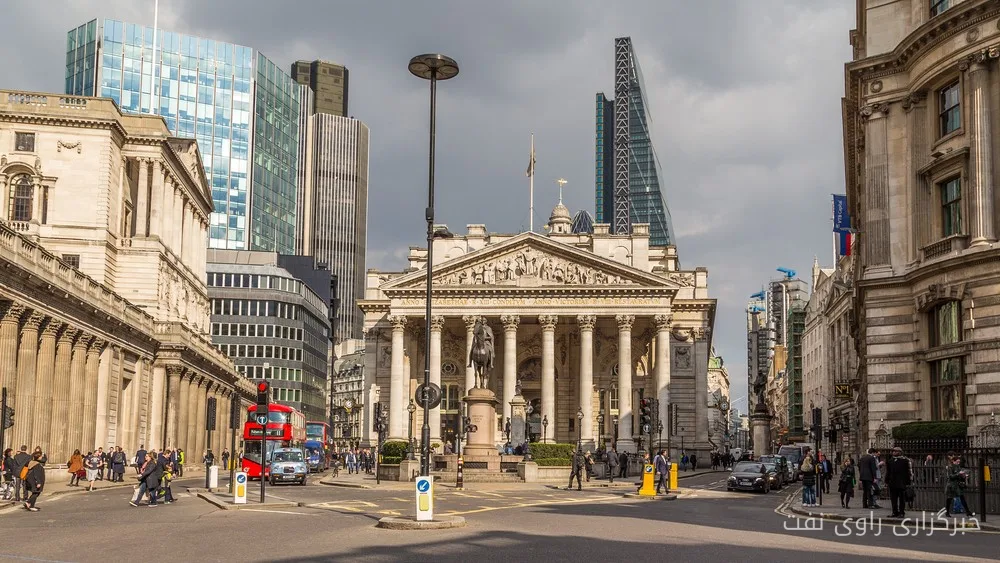
The Bank of England is facing increasing pressure to raise interest rates on Thursday. This pressure stems from the collapse of the global bond market and concerns about excessive government borrowing and persistent inflation. Investors have advised the bank that controlling prices is essential, or else there is a risk of losing credibility.
Interest Rate Increase Amid Market Volatility
The bond market in developed countries has been affected by historic selling, and while oil prices have reached their highest level in recent months, four major central banks around the world are considering raising interest rates. The yield on the 10-year U.S. Treasury bond rose above 5% for the first time since 2007, indicating ongoing investor concerns about the long-term inflation path.
Read more: Baltic Dry Index Drops 33 Points to 3327
However, British government bonds, known as gilts, have been sold significantly more than those of other major economies. The yield on 30-year gilts reached nearly 6% on Tuesday, the highest level since 1997. Meanwhile, short-term gilt prices now indicate that the bank is likely to raise rates four times in the next 12 months.
Concerns About Inflation and Energy Prices
Rising energy prices have fueled concerns about increasing interest rates. Earlier this week, Saudi Arabia shut down a vital pipeline responsible for transporting oil to the Red Sea following a drone attack. This attack, amid escalating tensions in the region, revived concerns about supply in global energy markets. Brent crude oil prices reached $107 per barrel, the highest level since May, while European natural gas prices have also reached levels not seen since the onset of Russia's invasion of Ukraine.
These fluctuations in the energy market have raised concerns that businesses may have to pass on their high costs to consumers, which could increase prices across the economy, despite a significant labor market shortfall in the UK. Persistent inflation is problematic for bond market investors, as their real yields decrease due to rising prices.
Andrew Wishart, a senior economist in the UK at Berenberg, has warned the Bank of England that it must follow through on its previous promises to raise interest rates, or else it risks losing credibility and triggering a sell-off in the pound. He stated, "The cost of raising the bank rate by 25 basis points (a quarter of a percent) is negligible compared to the risks posed by delaying the Bank of England's credibility."
However, some believe that despite ongoing volatility in the bond market, the Monetary Policy Committee should keep rates unchanged at its sixth consecutive meeting. James Carter from W1M told City AM, "The Bank of England knows it cannot pump more gas into Europe. Its job is to prevent shocks to wages and prices from penetrating, and evidence for this remains limited."
Earlier this week, the European Central Bank tightened monetary policy for the second time in 2023 and warned that inflation stemming from Middle Eastern conflicts "will be more persistent than previously anticipated." The Federal Reserve is also expected to act similarly when U.S. financial officials meet on Wednesday.
Read more: Trump Administration's Carbon Rule Review Affects Natural Gas Prices · U.S. Stock Market Rises After Oil Price Drop