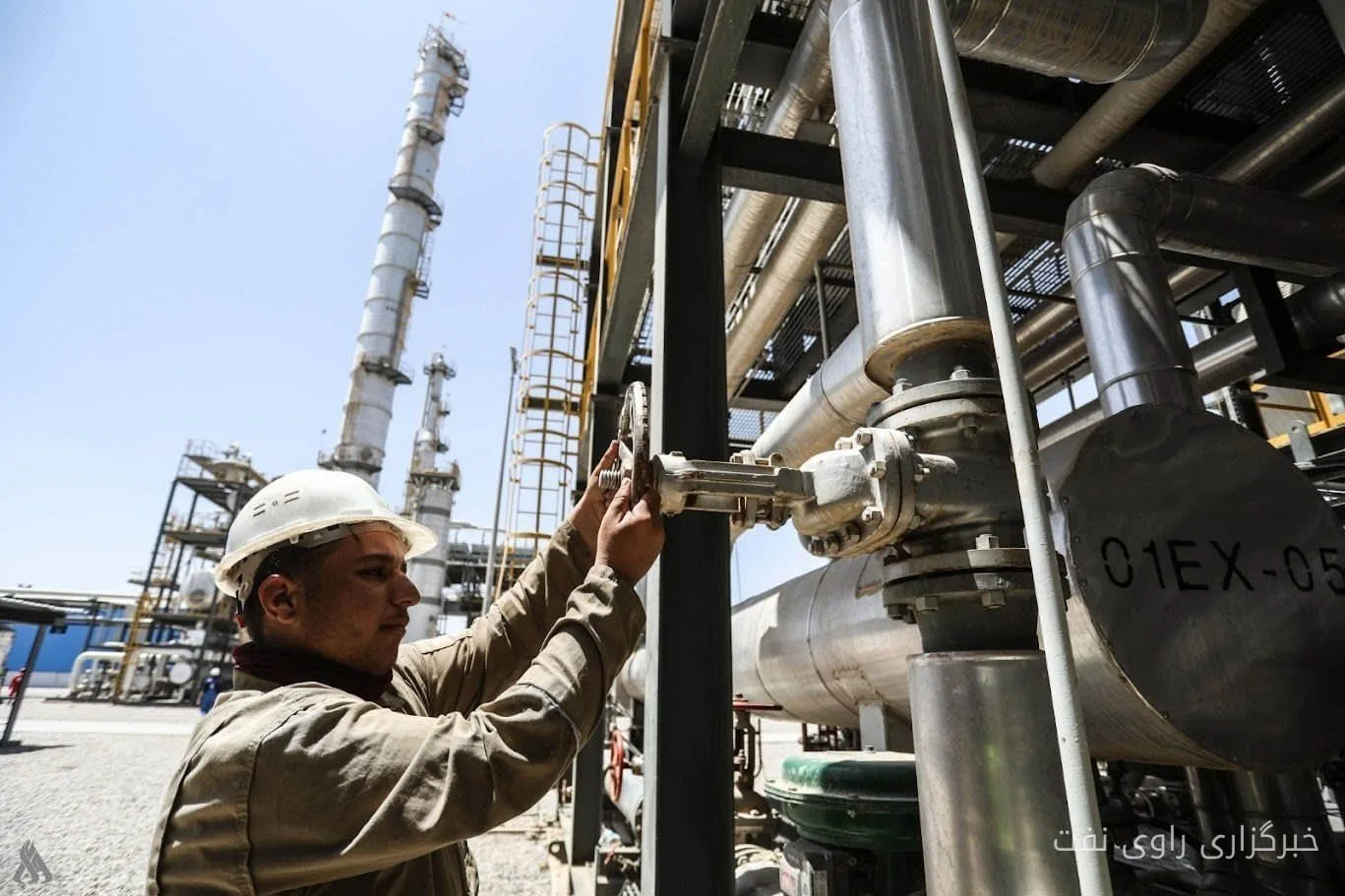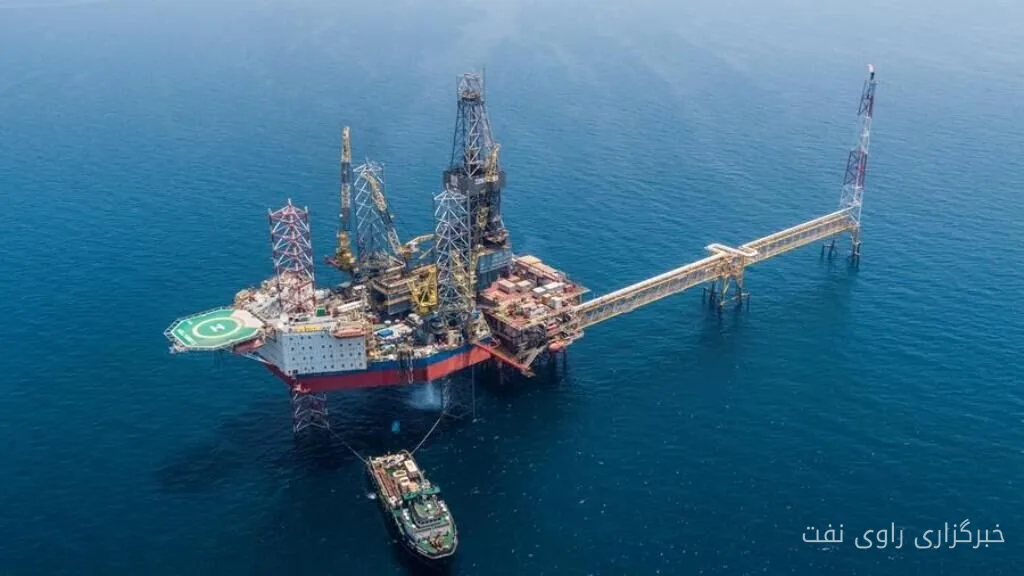
Phase ١١ of South Pars, one of the largest gas projects in the country, has witnessed significant changes in its production levels over the past year. According to reports, the production from position B of this phase, which averaged around ٤٠٠ million cubic feet per day during the twelfth and thirteenth governments, has reached the astonishing figure of ٩١٥ million cubic feet per day during the fourteenth government.
Increase in production with the connection of the twelfth well
This increase in production is the result of meticulous efforts and planning for the development of infrastructure and the utilization of natural gas resources. According to plans, with the connection of the twelfth well to this phase, it is expected that gas production from this field will reach the threshold of one billion cubic feet per day. This change will not only help improve the country's energy supply but can also impact energy security at the national and even regional levels.
Challenges and opportunities
Although the increase in gas production in Phase ١١ of South Pars is promising, there are also many challenges along the way. Among these challenges are the need for new investments, resource management, and environmental preservation. However, experts believe that with proper planning and cooperation from all stakeholders, these challenges can be managed.
Ultimately, the success of Phase ١١ of South Pars could serve as a model for other similar projects in the country and help improve Iran's position in the global gas market. Given the high potential of this field, a brighter future for the country's gas industry is anticipated.