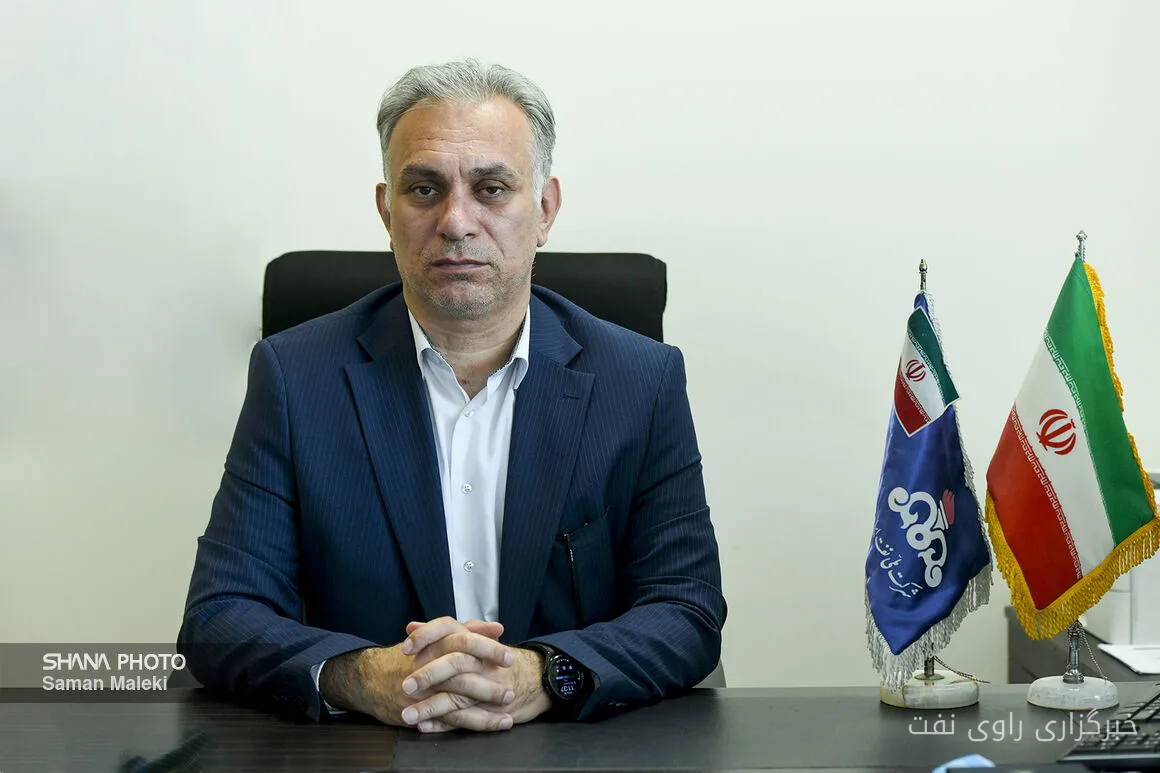
Pezhman Omid-Moghadami stated that the Information Technology Transformation Document invites universities to take action, asserting that it is now the universities' turn to enter the industry and assist in achieving the goals of this document. One of the important axes of this document is the issue of data governance, which is addressed in Article 24.
The Necessity of Collaboration Between Universities and the Oil Industry
Omid-Moghadami emphasized that Ali Kamandi, the project manager for data governance at the Ministry of Oil and a professor at the University of Tehran, has paved the way for establishing data governance by entering this field. This collaboration is an example of the role of universities in solving real industry problems and applying specialized knowledge to enhance organizational performance.
Read more: Natural gas prices decrease over the weekend despite LNG increase
The Director General of Information Technology Development, Security, and Smartization at the Ministry of Oil stated that this ministry is considered one of the largest executive organizations in the country due to the breadth of its activities, strategic importance, and operational complexities. Therefore, collaboration between universities and this industry within the framework of the Information Technology Transformation Document can play a significant role in improving processes and enhancing productivity.
Data Governance and Standardization
Omid-Moghadami identified one of the important components of data governance as the designation of data overseers, stating that these overseers are responsible for tasks such as monitoring data security and ensuring compliance with access regulations. The data governance platform must be designed in such a way that individuals' access to information is based on defined permissions and regulations.
He continued, saying that access templates are designed to specify which individuals can access specific data under what conditions and with what level of permission. This mechanism helps control access and reduce the likelihood of unauthorized use of information.
Omid-Moghadami also mentioned intelligent tools that identify data access violations and stated that information and security event management systems can detect suspicious incidents and provide necessary alerts in real-time in case of unauthorized access.
He concluded by saying that the oil industry today needs research that can yield tangible and measurable results. Collaboration between academia and industry should lead to technology production, cost reduction, increased productivity, and ultimately the creation of economic value.
Read more: Saudi Arabia's petrochemical production amidst maritime disruptions · The CEO of Payandan Company announced the continuation of the reconstruction of the damaged refinery



