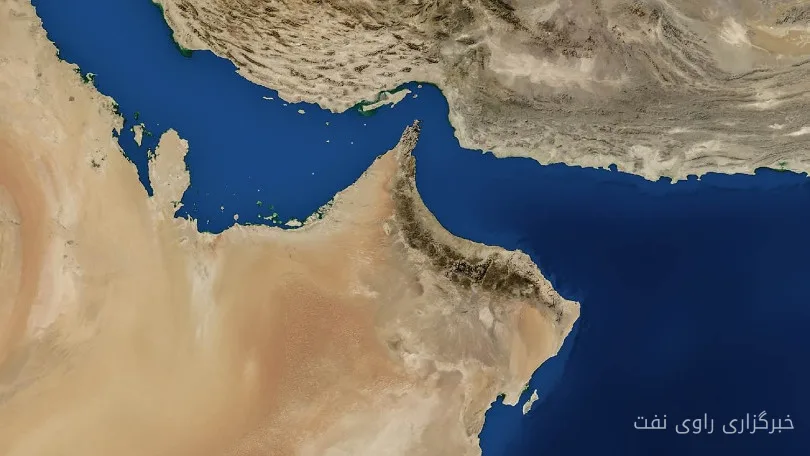
Oil prices have recently reached the threshold of $١٠٠ per barrel, marking the first occurrence since July. The increase in tensions and the war in Iran are considered the main factors behind this price surge. Market analysts believe that this trend could have serious implications for the global economy and energy supply for countries.
The impact of war on oil prices
The intensification of crises in the Middle East, particularly in Iran, has heightened concerns about oil supply. This war could disrupt oil transportation routes and also reduce production in sensitive areas. As a result, the oil market is under increasing pressure, and investors are worried about whether prices will continue to rise or not.
Many countries are currently seeking to diversify their energy supply sources to shield themselves from severe oil price fluctuations. These developments will particularly affect European countries that are heavily reliant on oil imports. In this context, some analysts believe that if this situation continues, oil prices may reach even higher levels and could approach $١٢٠ per barrel.
Global economic concerns
The increase in oil prices will directly impact energy and fuel costs and could lead to rising inflation rates in countries. This issue could put more pressure on economic policymakers and force them to make tough decisions. In such circumstances, consumer countries must consider measures to cope with these fluctuations.
Ultimately, oil prices are currently not only seen as a strategic commodity but also as a key factor in determining global economic and political trends. Therefore, the continuation of war and tensions in the Middle East could lead to significant changes in global markets.