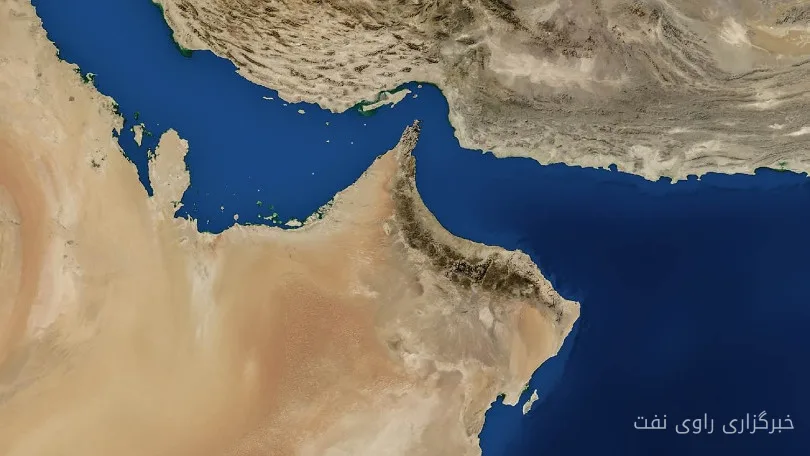
In recent days, the oil market has witnessed significant developments, particularly due to the increase in attacks on ships in the Persian Gulf. The price of Brent crude oil rose by 4% to $105 per barrel, marking the highest price since the onset of tensions in the region.
Rising Tensions and Market Impact
Economic analysts believe that the intensity of attacks on the maritime fleet in the Persian Gulf, especially in the current situation where the oil market is seeking stability and calm, could have widespread repercussions for prices. This price increase occurs at a time when global demand for oil is also rising, particularly with the reopening of economies following the COVID-19 crisis, leading to expectations of sustained demand.
Several countries in the Persian Gulf, especially Iran and Saudi Arabia, have always been in the spotlight, and any changes in their policies can directly impact oil prices. Recent attacks on ships in this region indicate instability and uncertainty in the global oil market.
A Look to the Future
Given the current situation, experts believe that if tensions in the Persian Gulf continue, oil prices may rise to higher levels. Meanwhile, some analysts argue that prices may experience fluctuations in the short term, but in the long term, they will trend upward due to sustained demand.
Overall, these developments indicate that the oil market is at a critical crossroads, and any changes in the Persian Gulf could have serious consequences for the global economy. In these circumstances, paying attention to news and regional developments becomes increasingly important.