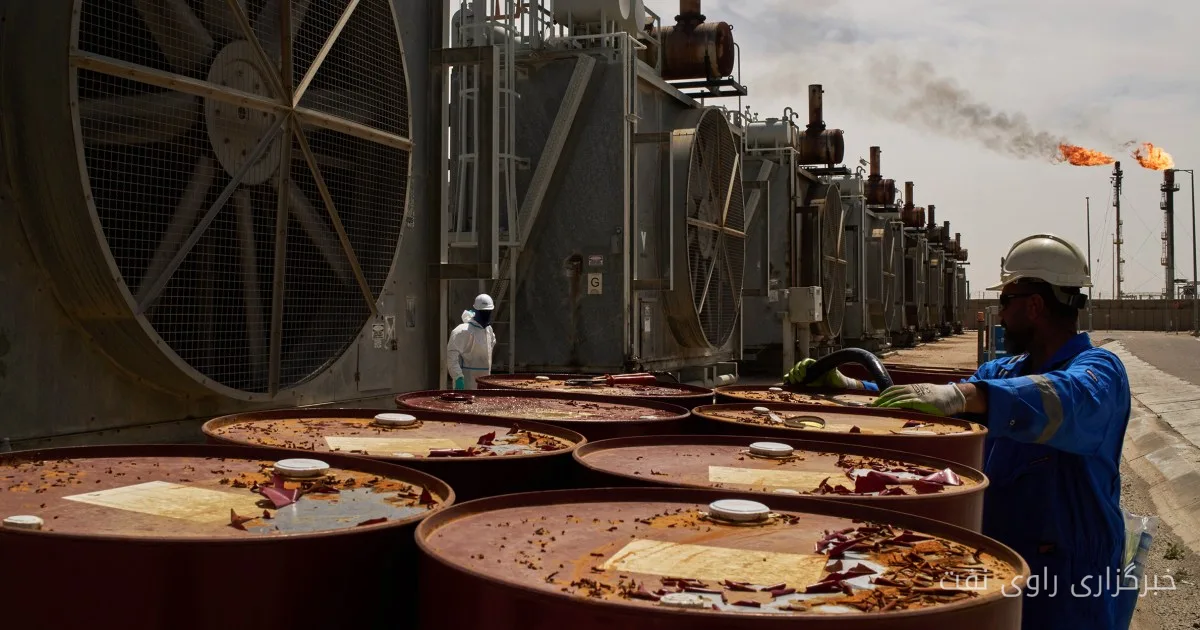
Oil prices in global markets have reached their highest level since May of this year, crossing the $١٠١ mark. This price increase has occurred following the escalation of conflicts and political tensions in the Middle East, which seem to have profound effects on energy supply and demand.
Impact of conflicts on the oil market
Market analysts believe that any unrest in the Middle East can quickly lead to rising oil prices. This is due to the dependence of many countries on the energy resources of this region, which is recognized as one of the most vital and tense points in the world. With rising prices, concerns about negative impacts on the global economy and increased living costs for people are also growing.
Currently, the oil market is influenced by factors such as geopolitical tensions and changes in the policies of major oil producers. For example, OPEC decisions and fluctuations in global supply and demand can quickly affect prices.
The future of oil prices and upcoming challenges
Given the current conditions, predictions about future oil prices are highly variable. Some experts believe that if tensions continue, prices may reach even higher levels. On the other hand, if successful diplomacy is achieved in resolving these conflicts, we may witness a decrease in prices.
Ultimately, the oil market, as an important indicator of the global economic situation, is influenced by political and social events. Given the current conditions, monitoring developments in this market is more important than ever.