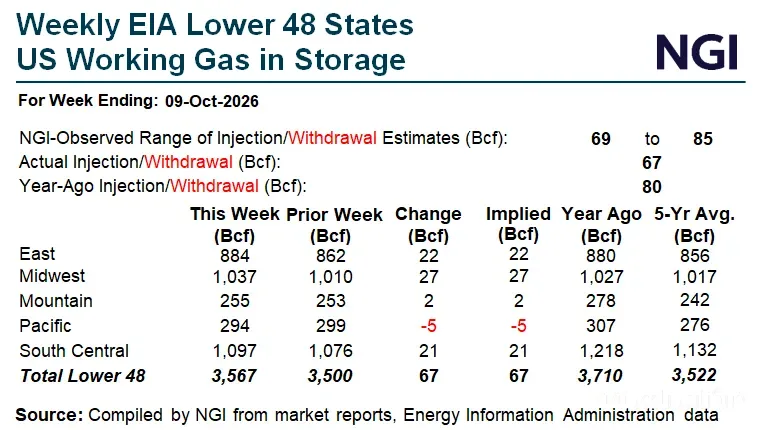
The increase in natural gas prices in the November futures market was influenced by supply shortages and factors such as the shutdown of a major pipeline in the Appalachian region and increased demand for liquefied natural gas (LNG). These developments caused natural gas prices to rise significantly on Thursday.
Details of the Natural Gas Price Increase
The price of natural gas in November futures rose by 3.5 percent due to a positive surprise in inventories, increased demand for liquefied natural gas, and disruptions in gas pipeline operations in the Appalachian region. This price reached $3.30 per million BTU, indicating major changes in the energy market.
Read more: Hamid Bord emphasized the need to expedite the reconstruction of oil facilities
Factors Affecting the Natural Gas Market
One of the factors influencing the increase in natural gas prices was the shutdown of a pipeline called the "Mid-Appalachian" pipeline, which was designed to transport natural gas to various regions. This pipeline was halted due to technical issues, leading to a reduction in gas supply in the market. Additionally, the increased demand for natural gas in the winter season due to heating needs has significantly pressured prices.
Alongside these issues, the rising demand for liquefied natural gas, especially from foreign markets, has also contributed to the increase in prices. Major companies in the gas industry, particularly in the United States, are heavily preparing to meet their export needs, which adds pressure to domestic prices.
Given the current trends, it is expected that the natural gas market will continue to be influenced by these factors, and price fluctuations will persist in the near future. This situation will be particularly challenging for natural gas producers and consumers.
Read more: The CEO of Payandan announced the continuation of the reconstruction of the damaged refinery · Severe drop in natural gas prices with increased production and low demand forecast



