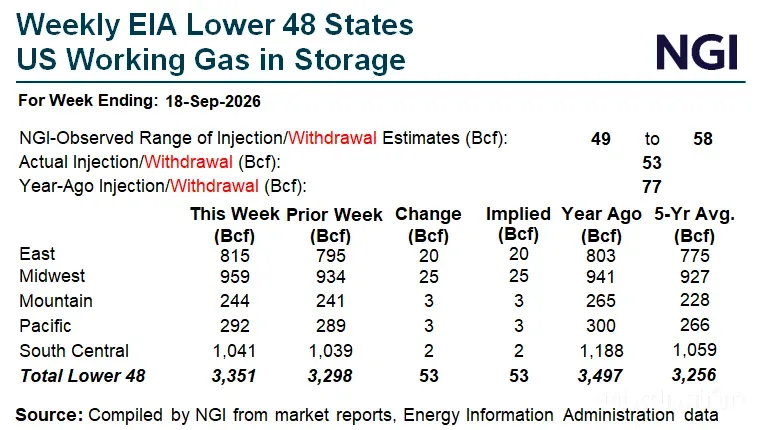
Natural gas rates on Thursday rose above $3.000 per million BTU (MMBtu) following seasonal declines in reserves. This price increase occurred amid reduced gas production and signs of rising heating demand.
Details of the Price Increase
According to published data, natural gas prices have been significantly impacted by declining reserves this season. This drop in reserves has acted as a primary driver for price increases. Currently, natural gas prices have reached $3.025 per million BTU, the highest level since last July.
Market and Production Impacts
The reduction in natural gas production in the U.S. is also recognized as a contributing factor to this price increase. This production decline is particularly evident in major fields such as the Appalachian shale gas field and the Bronx gas field. Given the weather conditions and the forecast for rising temperatures in the coming months, natural gas demand in the heating sector is expected to increase.
Analysts believe that this price increase could benefit producers, but it may also place a heavier financial burden on consumers. It is anticipated that with the current trend continuing, prices may reach even higher levels, especially if weather conditions are colder than usual.
Economic Consequences
The increase in natural gas prices could have widespread impacts on the U.S. economy. Energy-dependent industries such as petrochemicals and electricity generation will be significantly affected by these price changes. Additionally, residential consumers may face higher heating costs.
Given these conditions, the energy market will face new challenges and opportunities. While producers may benefit from rising prices, consumers and industries will need to adopt new strategies to manage costs and demand.
Read more: TotalEnergies approves 350 MMcf/d natural gas project for Nigeria LNG