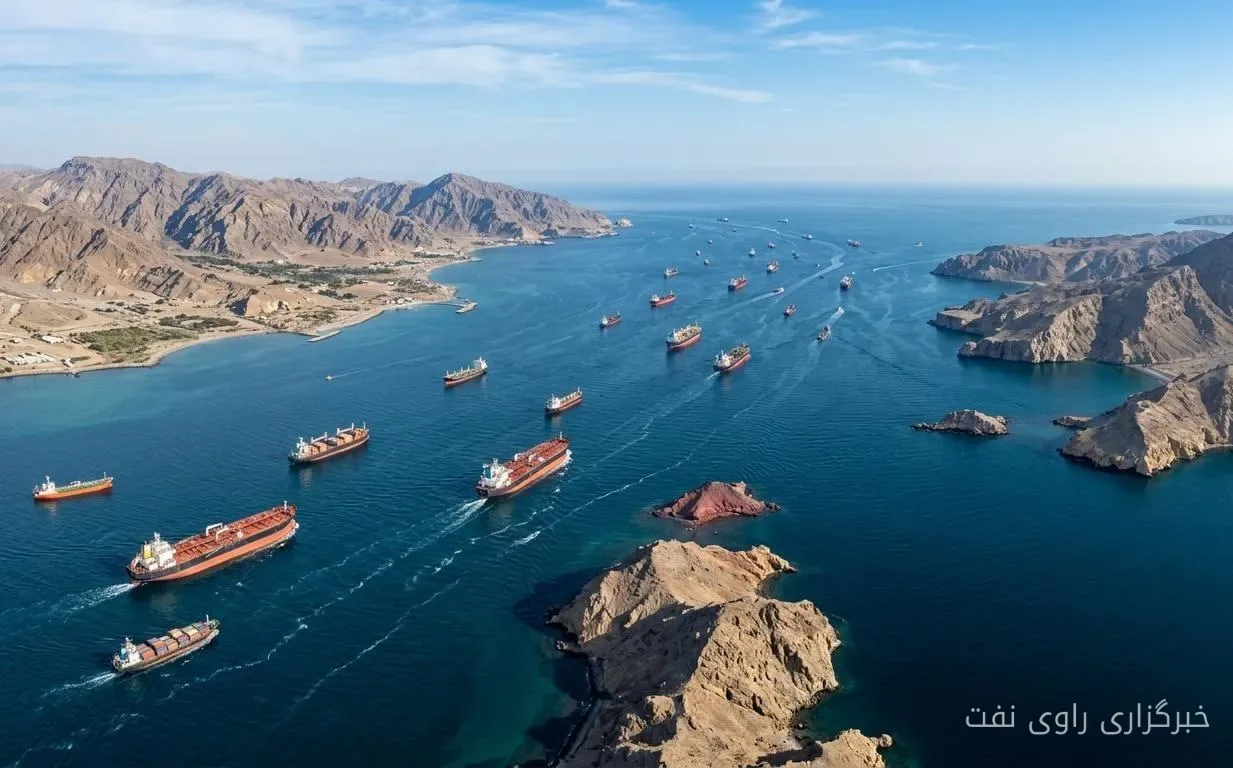
The volume of oil shipments from the Middle East has reached over 24 million barrels per day despite ongoing Iranian attacks in the Strait of Hormuz. This figure is higher than the 23.3 million barrels before the war and indicates significant changes in the global energy market.
Increased Oil Transportation Capacity
According to the tanker tracking company (Kepler), the resumption of oil flow from the Strait of Hormuz has been made possible thanks to the military power of the United States and the expansion of alternative routes in the region. Increased reliance on pipelines from Saudi Arabia and the United Arab Emirates has resulted in 40 percent of crude oil from Gulf Cooperation Council countries, excluding Iran, being transported via pipelines. This share was only 17 percent before the war.
Read more: Increase in Oil Exports from the Persian Gulf to 11.7 Million Barrels Per Day
Free Market Impacts on Energy Security
The oil flow from the Strait of Hormuz has returned to 82 percent of pre-war levels. This has been made possible through an innovative mechanism for ship-to-ship oil transfer. However, Iran's oversight of the Strait and security threats continue to impact prices. According to the International Energy Agency, producers outside the Middle East have added 2.3 million barrels per day to their production from February to August.
In this context, major oil companies like Chevron are looking to increase investment in new projects. The company plans to invest nearly $14 billion in Argentina over the next decade, aiming to triple its production in the country. Additionally, a recent survey revealed that 80 percent of institutional investors expressed a willingness to invest in Canada, indicating shifts in investment patterns in the energy industry.
Read more: Offering 15 Percent of Tabriz Petrochemical Shares and 300 Percent Increase in Exports · Hamid Bord Emphasized the Importance of Energy Security and National Sovereignty