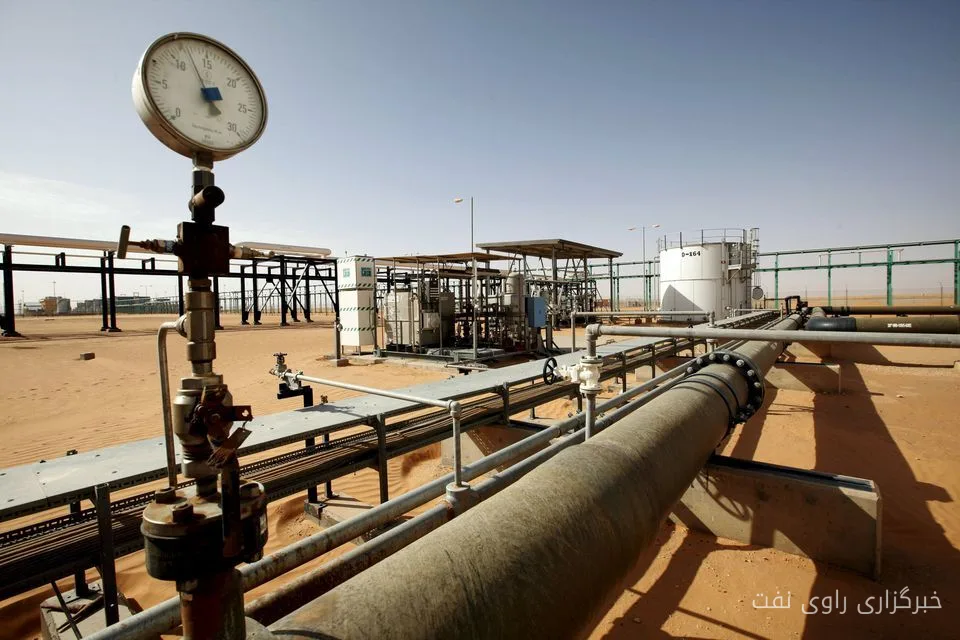
Libya's National Oil Corporation announced that pumping operations have resumed after an attack by armed individuals on the main oil pipeline from the Sharara field to the Zawiya terminal. Crude oil flow is gradually returning to normal following the cessation of this pipeline's activities earlier this week.
Details of the Attack and Its Impacts
On September 21, a group of armed individuals and members of the "Oil Facilities Guard" caused a significant reduction in production at the Sharara oil field, Libya's largest oil field, by blocking valve number 7 of this pipeline. This attack was carried out due to demands from the guard personnel regarding job conditions and financial issues. Libya's National Oil Corporation stated in a press release that technical and operational teams have taken necessary actions to safely restart this pipeline and restore crude oil flow to the refinery and Zawiya export terminals.
Read more: Preparation of the 12th Well of Phase 11 of South Pars for Production
Economic Impact of Production Halt
The company estimated that the five-day halt of this pipeline's operations resulted in a loss of production of 942,376 barrels of oil, valued at approximately $95 million. This stoppage has also halted the operation of one of the Zawiya refinery units due to reduced crude oil supply. The Sharara field has a production capacity of about 300 to 320 thousand barrels of oil per day and transports crude oil to the Zawiya refinery. This refinery, with a daily capacity of about 120 thousand barrels, supplies the fuel needed for the domestic market in Libya.
In recent years, operations at the Sharara field have repeatedly faced disruptions due to protests, political disputes, and technical issues. The UN representative warned that the continuation of these disruptions could harm Libya's oil revenues and increase the country's need for fuel imports. This will create challenges for fuel and electricity supply.
The representative also warned that damaging actions against oil infrastructure could lead to sanctions based on relevant UN resolutions. In this context, the importance of ensuring security at oil facilities and maintaining the flow of oil production and exports for Libya's economy is clearly evident.
Read more: Increase in the Price of Super Tankers Above New Ships · Decrease in German Consumer Confidence Despite Economic Improvements



