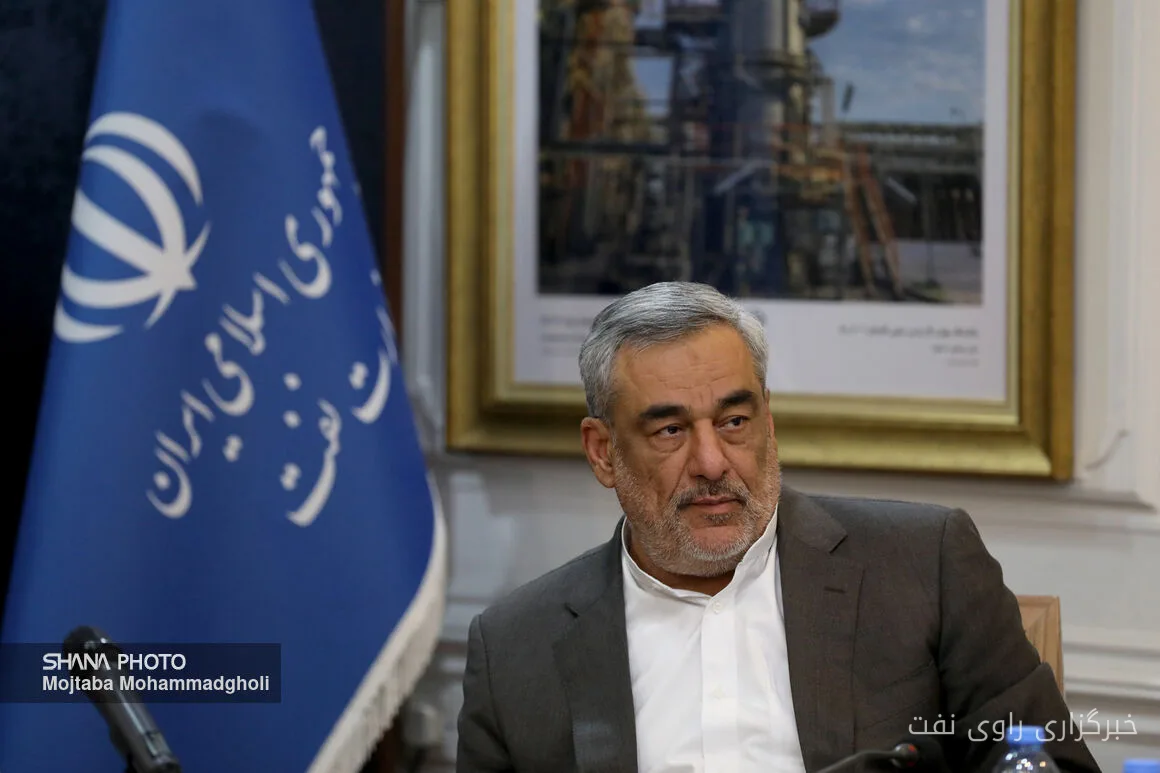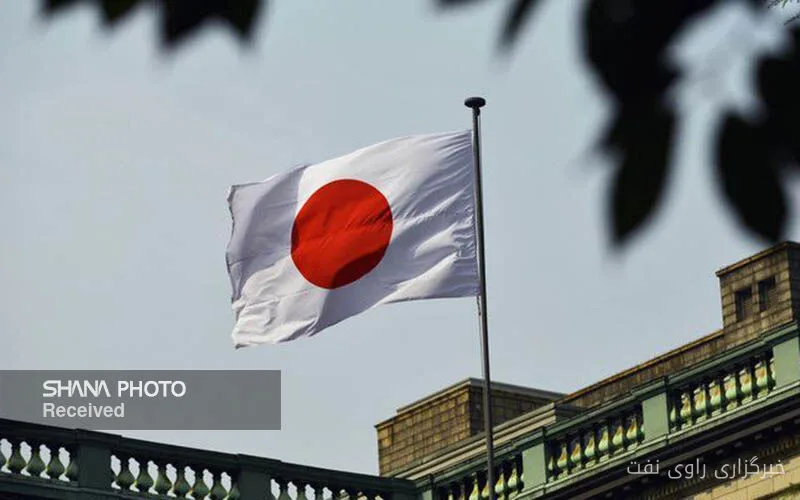
Minoru Kihara, Japan's Chief Cabinet Secretary, announced on Monday (October 5) at a press conference that the country has no plans to draw crude oil from its strategic reserves following previous releases. Kihara's remarks came after the agreement among the G7 countries, which Japan is part of, to withdraw 100 million barrels of diesel and crude oil from strategic reserves.
G7 Agreement and Withdrawals from Reserves
The G7 has committed to refrain from imposing restrictions on energy exports. This agreement follows global concerns over rising energy prices and the repercussions of wars in various parts of the world. It is unclear how much of the new release pertains to the remaining part of the agreement among the 32 member countries of the International Energy Agency in March to withdraw 400 million barrels of oil, aimed at mitigating the impacts of the U.S. and Israeli wars against Iran.
Read more: China limited fuel exports and gasoline refining margins hit record highs
Fatih Birol, the head of the International Energy Agency, announced last week that the members of this energy body have withdrawn about two-thirds of the agreed 400 million barrels of oil. Japan had also announced in March that under this coordinated agreement, it would withdraw about 80 million barrels of oil from its strategic reserves and conducted a second round of releases in May.
Current Status and Future of Oil Reserves
Kihara further stated that Japan has been drawing oil from its reserves for some time and currently has no plans for further releases. This comes as the G7 meeting took place amid delays in the release of strategic reserves in Europe and growing concerns about a sharp increase in global diesel prices. Therefore, the focus of discussions at this meeting was on managing diesel prices in Europe, the U.S., and other parts of the world.
Given the current state of the energy market and decisions made by major industrial countries, it seems that oil reserves will play a vital role in navigating upcoming crises, especially as various countries seek to secure their energy needs in a turbulent global environment.
Read more: The LNG market is on the path to recovery with strong demand · Amin Nasser pointed out the lengthy process of reviving oil reserves