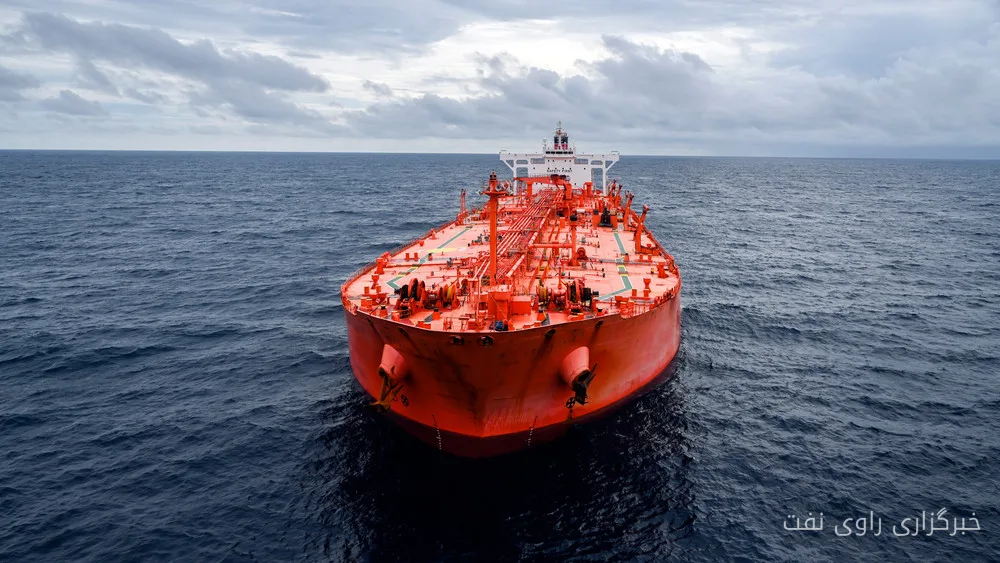
The flow of crude oil exports from the Persian Gulf has reached 16.5 million barrels per day from September 1 to 28, 2023, which matches the pre-war average, although this does not include Iran. According to the commodity analytics company Kpler, this increase in exports has occurred while the Strait of Hormuz remains a strategic point for oil exports.
Changes in Oil Export Routes
Before the war, 83 percent of the crude oil from this region passed through the Strait of Hormuz, but in September 2023, 40 percent of the oil was diverted from this strait and transported through pipelines and other routes to Saudi Arabia and the United Arab Emirates. Specifically, about 60 percent of these exports, equivalent to 9.9 million barrels per day, passed through the Strait of Hormuz. Additionally, Kpler has reported that more than 70 percent of the crude oil that passed through the strait in August 2023 was transshipped offshore in the Gulf of Oman.
Read more: Nehbandan Petrochemical has the capacity to become the MDF production hub in the east of the country
Reduction of Iran's Ability to Control the Strait
Despite the increase in export volume, Iran's ability to disrupt the Strait of Hormuz appears to have significantly decreased. Mohammad Qaeidi, a professor at George Washington University, stated that the current level of traffic is "unacceptable" for Tehran. Nevertheless, these figures do not mean a complete loss of control by Iran over the strait. In fact, Iran's ability to pose a threat to the passage of ships has diminished due to the protection of American forces and the development of new methods for transporting oil.
According to Ellen R. Wald, an energy market analyst, Iran's ability to attack ships in the Persian Gulf is declining, allowing vessels to pass under the military cover of the U.S. However, she warned that the increase in oil flow should not be seen as a return to normalcy, as some companies are transporting oil from the strait with significant risks.
Ultimately, these changes indicate that the Strait of Hormuz remains a vulnerable point for Washington, even if Iran is no longer able to exert pressure as it once did.
Read more: New developments in the British oil industry and their impact on the global market · Increase in natural gas futures prices above $3



