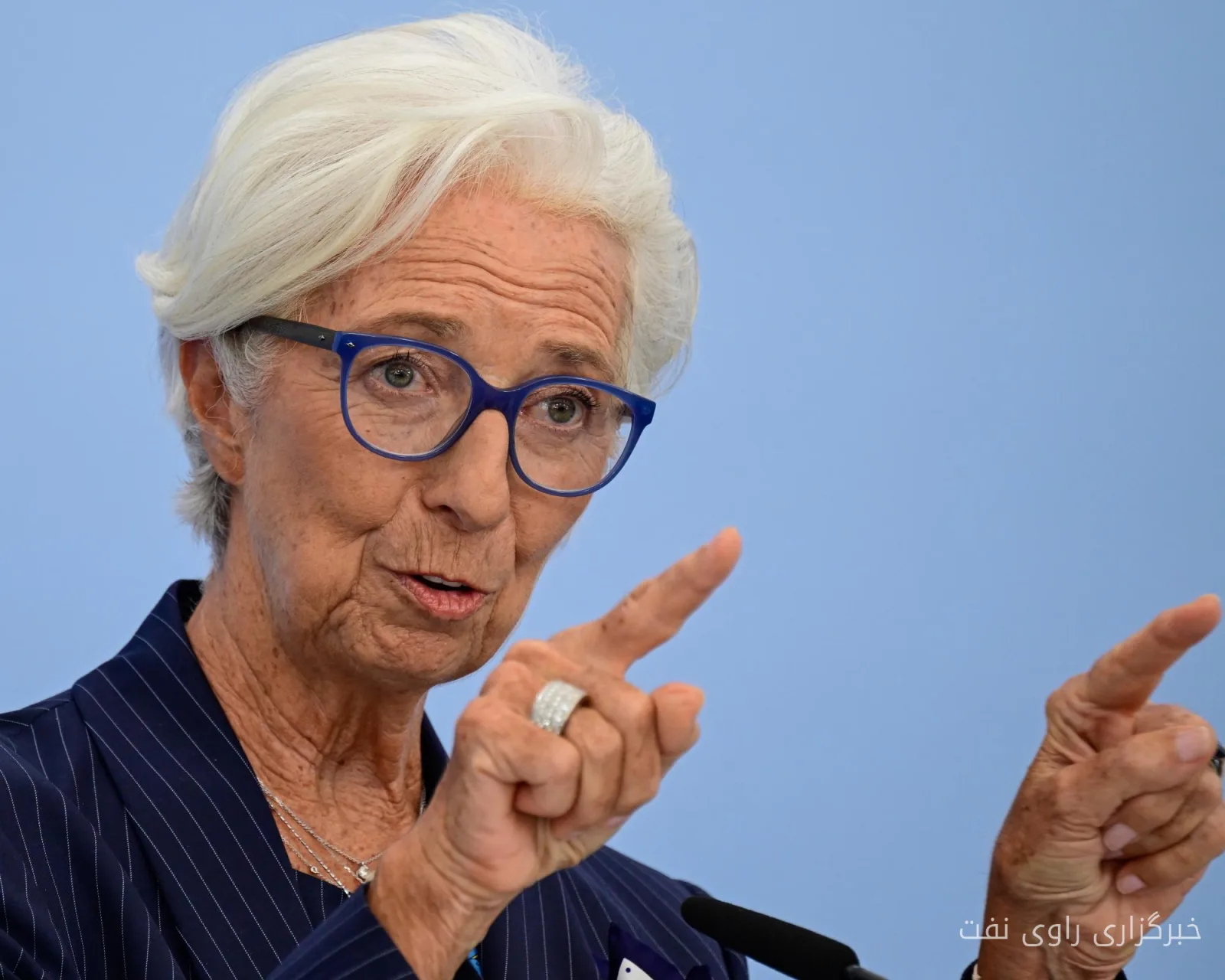
The European Central Bank (ECB) has controversially raised interest rates to 2.5% and reported increasing risks of inflation in the coming year. This decision was made following heightened tensions in the Middle East and recent conflicts between Iran and the United States. Analysts believe that this interest rate hike could seriously impact borrowing costs in Europe.
Rising Oil Prices and Their Impact on the Economy
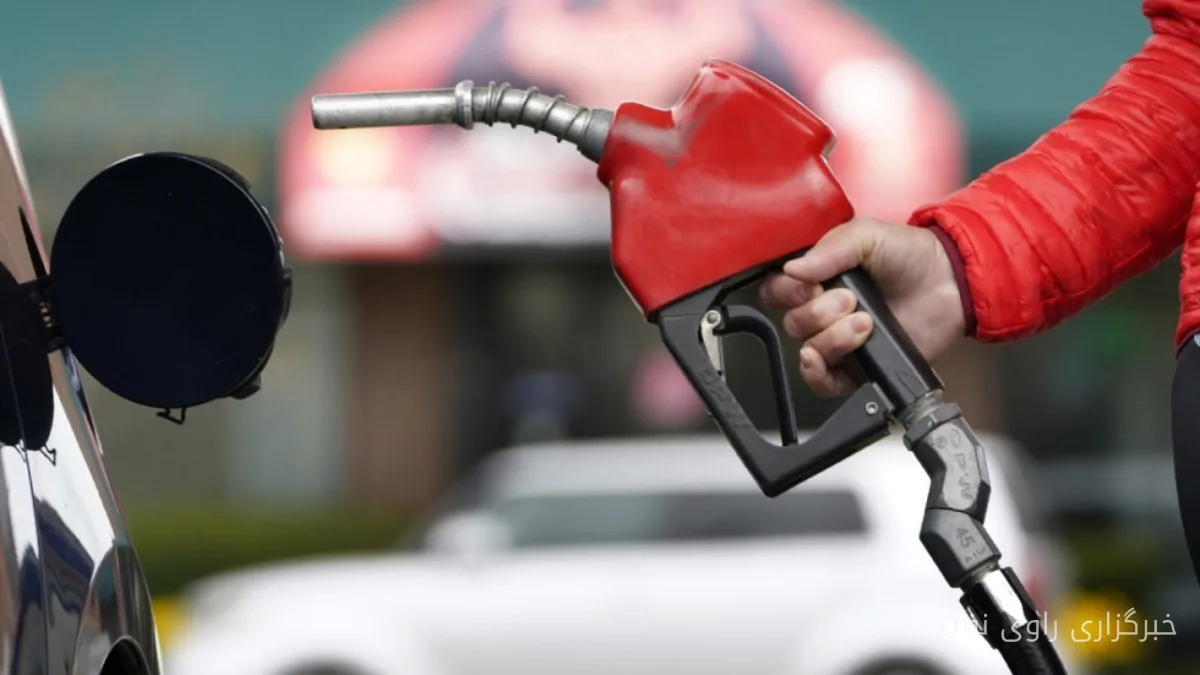
As tensions in the region escalated, oil prices rose above $105 per barrel, which in turn affected government interest rates. According to economic experts, rising energy and raw material prices are rapidly becoming a major challenge for European countries. The European Central Bank has stated that these price increases could intensify price pressures in the Eurozone.
The war in the Middle East has not only affected oil prices but has also led to increased prices for goods and services in European countries due to rising energy costs. This situation could soon turn into an economic crisis, as price volatility may lead to a decrease in people's purchasing power.
Future Outlook and Economic Concerns
Given the current conditions, the European Central Bank has warned investors and consumers to expect further increases in inflation rates. This situation could impact macroeconomic and financial decisions and create a degree of uncertainty in the market. Additionally, these tensions may lead to reduced economic growth in Europe, as higher costs and uncertainty could negatively affect investments.
Overall, the current situation clearly indicates that wars and conflicts in the Middle East not only affect oil prices but could quickly turn into a global economic crisis. In such circumstances, inflation expectations have risen sharply, and central banks must take immediate and effective actions to control this situation.