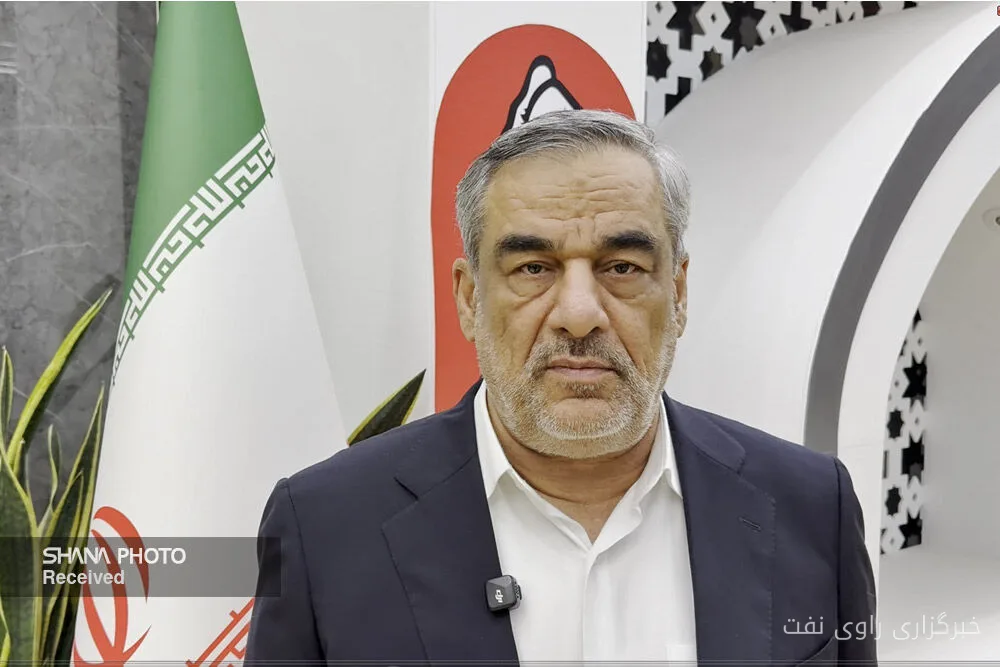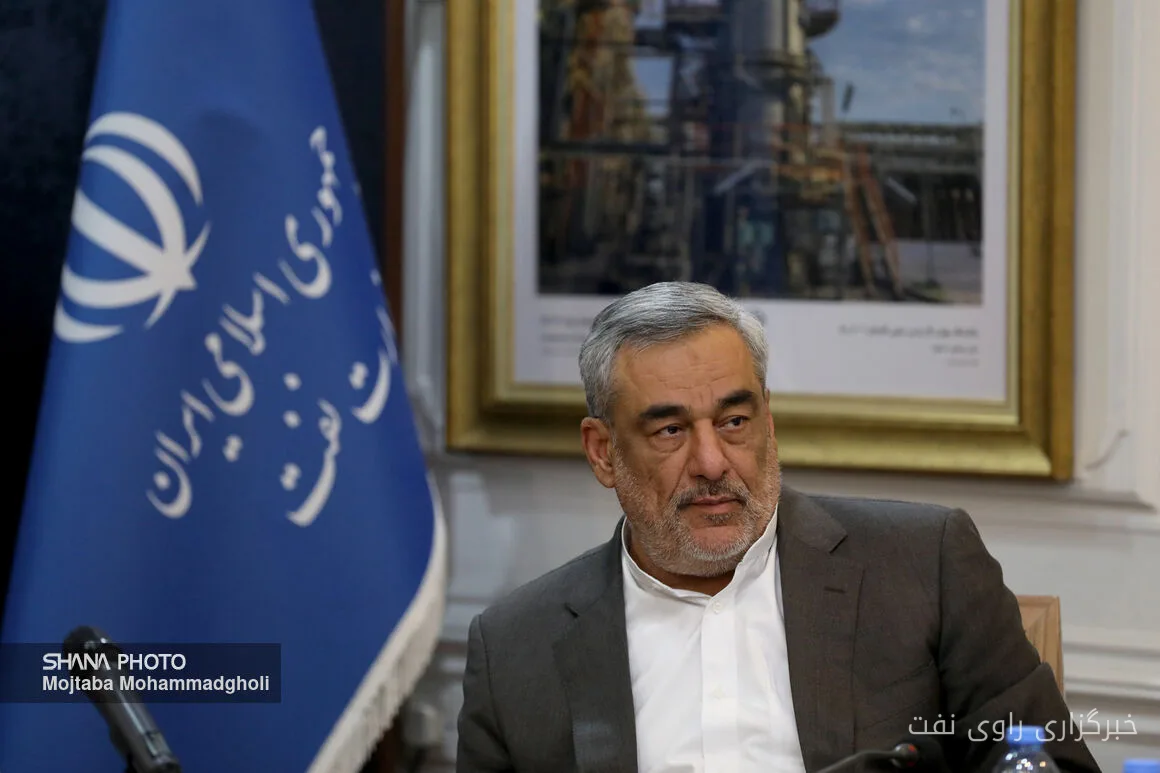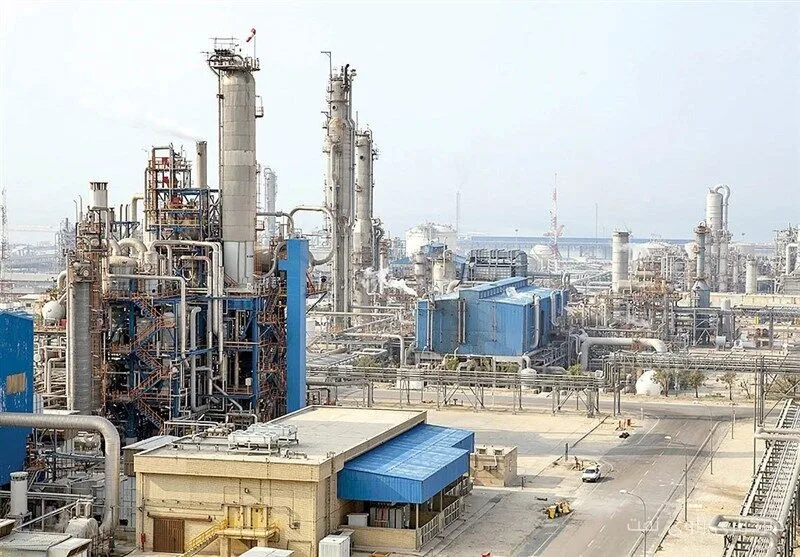
Isfahan Refinery will increase its gasoline production capacity by 12 million liters per day through the implementation of development projects. Gholamreza Bagheri Dizaj, the CEO of Isfahan Refinery, mentioned the details of these projects in a press conference with media representatives, stating that the development of this refinery is not limited to the construction of new units.
Details of Development Projects
Bagheri Dizaj stated that a significant part of the refinery projects relates to infrastructures such as steam, water, nitrogen production, wastewater management, and waste control. Although these infrastructures are not directly visible in production levels, they are essential for the continuity and sustainability of production.
Read more: Touraj Dehghani explained the gas production process from the South Pars field
In the planned development phases, approximately 8 million liters of Euro 5 gasoline and about 2 million liters of diesel will be added to the country's production capacity. Additionally, with the implementation of projects related to LPG and the conversion of by-products, there is potential to increase gasoline production by about 4 million liters more.
Reducing Pollution and Managing Water Resources
The CEO of Isfahan Refinery identified the reduction of sulfur in fuel oil as one of the key aspects of the development projects, stating that this project, in addition to improving fuel quality, can help free up gas in the network and manage gas imbalances during the cold season by reducing fuel oil consumption in power plants.
Bagheri Dizaj also pointed out the limitations of water resources in Isfahan, stating that about 40% of the water required for the refinery is supplied from urban wastewater. In one of the ongoing projects, part of the approximately 350 cubic meters of water per hour that previously could not be reused is being returned to the consumption cycle using purification and reverse osmosis technologies.
He announced the development of pollution control projects and added: Continuous monitoring of exhaust gases, reducing gas flaring, desulfurization, and converting sulfur into usable products are among the environmental actions of this refinery.
Bagheri Dizaj also referred to the performance of this facility under wartime conditions, stating that despite the difficult circumstances, the refinery's production did not stop, and efforts were made to maintain production continuity while adhering to product quality and environmental requirements.
He concluded by mentioning the economic role of the refinery, stating that the tax payments of this facility increased from about 600 billion tomans per month last year to about 2.5 trillion tomans per month. Furthermore, collaboration with Isfahan University and Isfahan University of Technology in areas such as catalyst production and process optimization is ongoing.