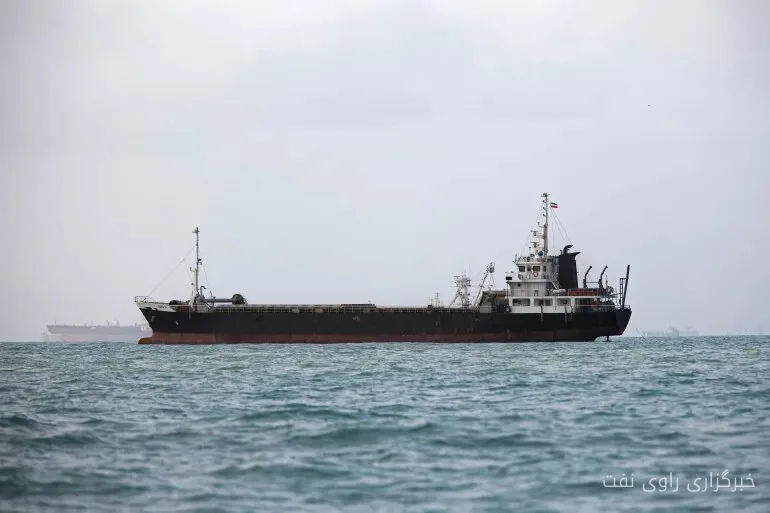
The cost of chartering supertankers on shipping routes between the Middle East and Asia has reached a daily record of $1.2 million. This cost increase, resulting from the consequences of the war between the United States and the Israeli regime against Iran, which began in late February, has significantly impacted global energy markets and increased supply pressures.
Disruption in Shipping and Rising Costs
Reports indicate that disruptions in shipping in the Strait of Hormuz have forced ships to change their routes and travel longer distances. As a result, the number of large tankers available has decreased. According to the shipping company "Briemar", the cost of maritime transport between the Middle East and China for supertankers with a capacity of about 2 million barrels of oil has doubled since late August.
Read more: Trump's Threat to Ban Fuel Exports Caused Diesel Prices to Rise in Europe
Impact on Refineries and Energy Market
The cost of chartering tankers on the route from Brazil to China has also increased by more than a third over the past week. Before the war began, the cost of transporting oil shipments from the Persian Gulf had reached a daily record of $120,000. Following the reduction in Middle Eastern oil supply, Asian refineries have been forced to source oil from farther regions, which takes more time and occupies more of the oil transport fleet's capacity.
Analyst at Morgan Stanley, "Martin Ratz", has stated that Indian refineries are sourcing their crude oil from Brazil, West Africa, and the North Sea. Shipping to these regions takes between 30 to 40 days. This situation has forced some refineries to reduce their production due to decreased profitability.
Additionally, the prices of petroleum products have reached unprecedented levels, with diesel prices in Singapore hitting around $180 per barrel. According to estimates by the shipping company "Clarksons", about 15% of the global tanker fleet is waiting in the Strait of Hormuz. This situation has led to a decrease in the number of tankers available in the market and an increase in the cost of using them.
Meanwhile, the large Swiss company "Trafigura", one of the world's largest groups in the transportation of oil and petroleum products, is increasing its fleet of tankers. The company recently announced that it has launched the shipping company "Folar" and is managing 14 supertankers.
Read more: Qatar Increased LNG Exports from the Strait of Hormuz · Increase in VLCC Tanker Freight Rates Following Global Market Changes



