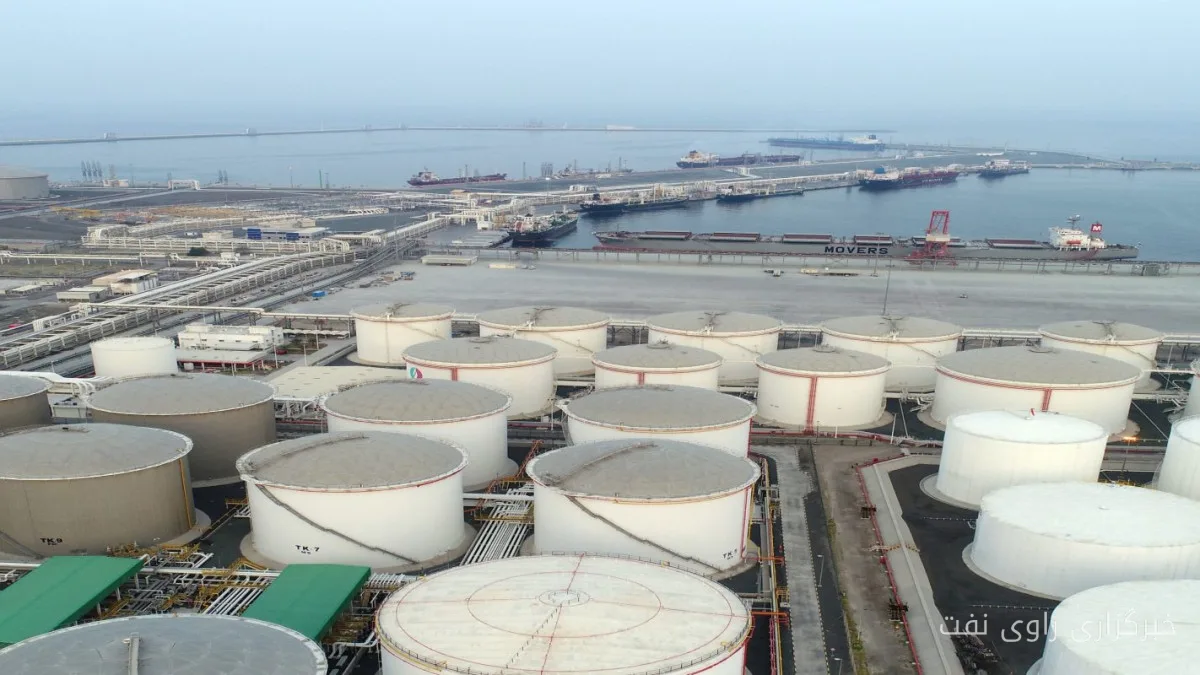
Oil transportation in the Persian Gulf has encountered serious challenges due to the restrictions in Hormuz. These conditions have led to increased oil transportation costs and raised concerns in the global oil market.
Current Conditions and Impact on Oil Production
The oil fields in the Persian Gulf, especially the oil fields of Iran and Saudi Arabia, are recognized as one of the main sources of oil supply in the world. These fields, with a daily production capacity of over 20 million barrels, play a vital role in meeting global needs. However, the restrictions imposed in the Strait of Hormuz, through which about 20 percent of the world's oil passes, have severely impacted the flow of these transfers.
New Costs and Their Consequences
Analyses indicate that costs arising from rerouting and delays in transportation have increased by an average of $5 to $10 per barrel. This increase in costs could lead to a rise in global oil prices and ultimately affect the economies of consuming countries. Additionally, these conditions may lead to increased price volatility in global markets and create uncertainties for investors.
Overall, the current situation in the Persian Gulf and the challenges related to the Strait of Hormuz highlight the need for urgent actions to manage costs and improve oil transportation conditions. In this regard, international cooperation and energy diplomacy are considered key strategies to address this crisis.



