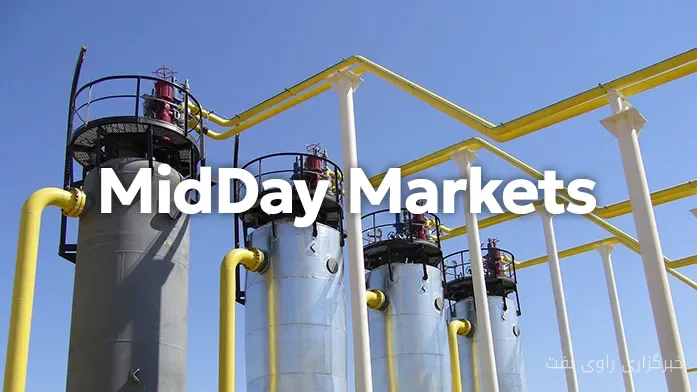
Futures prices for natural gas in the United States rose on Tuesday morning. This price increase has occurred due to declining domestic production and increasing demand for liquefied natural gas (LNG). At the same time, cash gas prices in different regions have experienced fluctuations, with natural gas in the Appalachia region significantly increasing while gas prices in the Waha region continue to decline.
Declining Domestic Production and Its Impact on Prices
Natural gas production in the United States has been steadily declining, which has a direct impact on futures gas prices. With production decreasing, demand for liquefied natural gas (LNG) that is exported to other countries has increased. This demand is particularly observed from Asian countries seeking to secure sustainable energy resources.
Read more: Significant Increase in Productivity of Natural Gas Wells in the Montney Field in Canada
Fluctuations in Cash Natural Gas Prices
In the cash market, different regions have experienced varying prices. Natural gas in the Appalachia region has seen a significant price increase due to domestic demand and favorable weather conditions. In contrast, gas prices in the Waha region have decreased due to increased supply and reduced demand. These price fluctuations reflect the dynamics of the natural gas market in the United States and the different impacts based on geographical location and local conditions in this sector.
These developments in the natural gas market in the United States could influence the strategic decisions of companies and investors in this industry. Additionally, these changes could contribute to the further growth and development of LNG-related infrastructure and position the United States as a key player in the global energy market.
Read more: Bank Mellat Investment Company Committed to Underwriting the Sukuk of Taban Petrochemical Tomorrow · Oil and Gas Production Halted in the Gulf of Mexico Due to Hurricane Isaias



