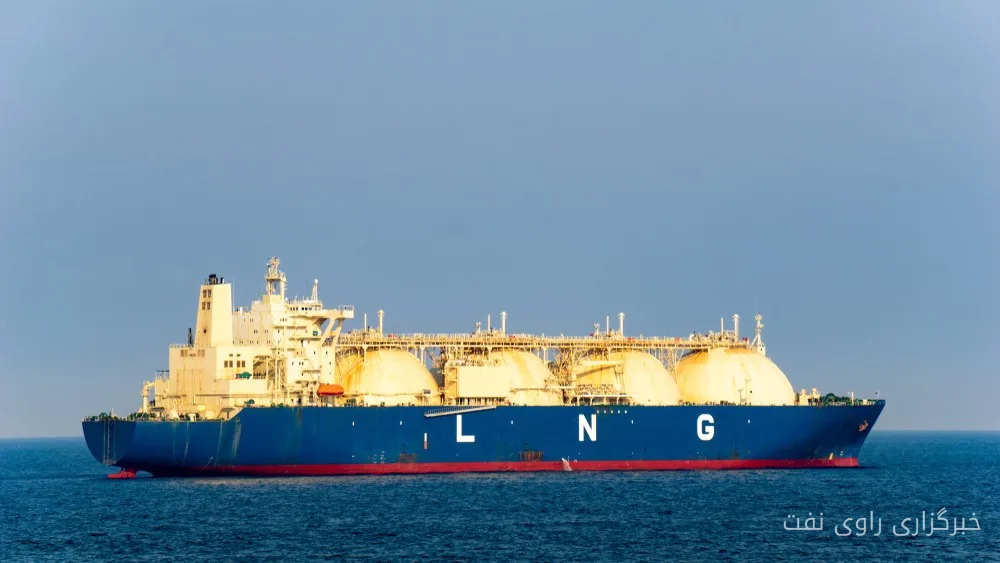
Two liquefied natural gas (LNG) carriers passed through the Strait of Hormuz this week, indicating an increase in efforts by LNG exporters in the Persian Gulf, particularly Qatar and the United Arab Emirates, to secure supply amid global shortages.
Increase in LNG Carrier Traffic
According to tanker tracking data and satellite images, two LNG carriers recently passed through the Strait of Hormuz, while two other carriers were identified transferring cargoes from ship to ship outside the Strait of Hormuz, near the shores of Oman. This increase in carrier traffic reflects growing efforts to supply LNG to global markets, which have garnered significant attention due to recent shortages in this sector.
Impact on the Global Market
The prolonged halt of LNG exports from the Strait of Hormuz, which lasted for six months, has led to rising gas prices in Asia and Europe. These shortages have caused prices to reach their highest levels since the 2022-2023 energy crisis. Currently, competition for securing LNG is increasing, especially with the winter season approaching and European countries needing to fill their gas storage before December.
In the pre-crisis period, an average of three LNG cargoes left the Strait of Hormuz daily. However, currently, due to existing issues, this figure has significantly decreased. Analysts and industry managers believe that as winter gets colder, LNG prices could rise by as much as one third, especially as gas inventories in Europe are declining and competition for gas supply between Europe and Asia is intensifying.
Read more: Emmanuel Macron Calls G7 Meeting to Discuss Oil Reserve Release