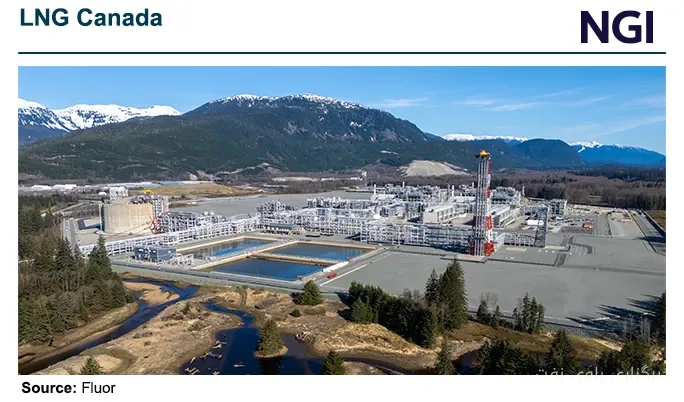
LNG Canada has rebounded in August from reduced activities in July, increasing its natural gas input capacity and loading of shipments. The company has also reduced the amount of natural gas flared, although unexpected flaring incidents have increased.
Increase in Natural Gas Input
In August, LNG Canada increased its natural gas input to 117 million cubic feet per day, reflecting a 5 percent increase compared to July. This increase in natural gas input is due to improved operational conditions and increased production capacity in the gas fields associated with this project.
Decrease in Flared Gas
In addition to the increase in gas input, LNG Canada has also succeeded in reducing the amount of natural gas flared to 250 thousand cubic feet per day. This reduction in gas flaring is due to improvements in operational management and a decrease in unexpected incidents at LNG Canada facilities. However, the increase in unexpected flaring incidents has raised concerns about the sustainability of this project's operations.
Analysts believe that the improvement in LNG Canada's performance in August could be a sign of the company's ability to face operational challenges and provide greater assurance to investors. Additionally, this positive trend could have a direct impact on the global natural gas market and its prices.
Implications for the Natural Gas Market
The increase in production capacity and reduction in flared gas at LNG Canada could have significant effects on the global natural gas market. Given the rising global demand for liquefied natural gas (LNG), LNG Canada's improved performance could help increase supply in international markets and consequently affect prices. Furthermore, this project is considered one of the key sources of natural gas supply for Asian and European markets.



