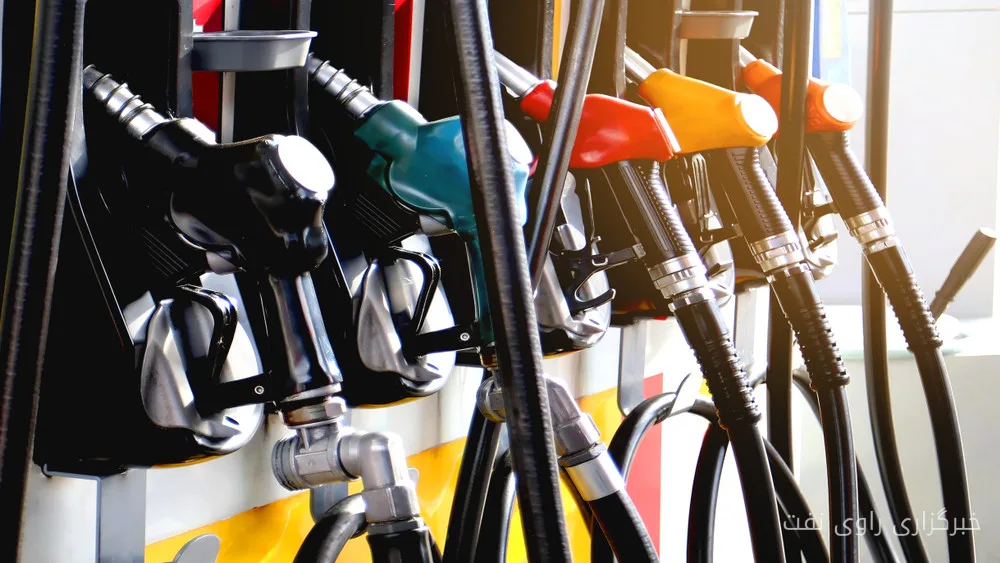
The price of diesel in the United States has reached an average of $6.50 per gallon, with some areas like California seeing prices rise above $8.40. This price increase occurs while crude oil prices remain below their historical peaks. Recent analyses indicate that the primary reason for this increase is the shortage of diesel supply against demand.
Factors Affecting Diesel Prices
Analyses show that crude oil prices and diesel prices are related, but they are not interchangeable. Crude oil serves as the raw material for diesel production, while diesel is a refined product affected by the refining system. Currently, the market is facing a diesel shortage, which has contributed to its price increase.
Read more: White House Rejects U.S. Diesel Export Ban
The refinery margin, also known as the "diesel crack spread," represents the difference between the market value of diesel and crude oil. According to statistics, in mid-August 2023, this margin reached a record of $100 per barrel. Additionally, diesel refining margins in Asia have also increased to over $87 per barrel.
Global and Domestic Impacts
Several factors have simultaneously impacted diesel supply. Drone attacks in Ukraine on major Russian refineries have led to reduced production or shutdowns of facilities. Furthermore, Russia has limited some of its fuel exports to protect domestic supply. As one of the largest exporters of diesel and gasoil in the world, this shortage has had widespread effects beyond its borders.
In the Middle East, similar crises exist. Refining and export infrastructure has been damaged due to conflicts with Iran, and transportation through the Strait of Hormuz has been severely restricted. According to estimates, disruptions caused by Russia and the Gulf have eliminated nearly 1.6 million barrels per day of diesel and gasoil exports. This is a significant decrease in a market that already had little excess capacity.
In the United States, refinery shutdowns are also part of the story. The operational refinery capacity in the U.S. reached nearly 19 million barrels per day at the beginning of 2020 but significantly decreased during the pandemic. According to the Energy Information Administration, capacity fell to about 18.16 million barrels per day at the beginning of 2026 and dropped to 18.03 million barrels by June. This is a significant reduction in capacity compared to the peak in 2020, leaving the system vulnerable to shortages during disruptions.
However, statistics indicate that refinery capacity has relatively increased between 2022 and 2025. Individual shutdowns have various reasons, including economic issues, conversion to renewable fuel production, storm damage, and regional regulatory pressures.
Ultimately, despite the increase in refinery margins and high revenues, this price increase cannot simply be interpreted as price gouging. High diesel prices, alongside encouraging refineries to increase production, reflect serious challenges in the supply and demand chain.
Read more: Falling Natural Gas Futures Prices Below $3 · Brent Oil Price Above $102 Amid Stalled Iran Talks



