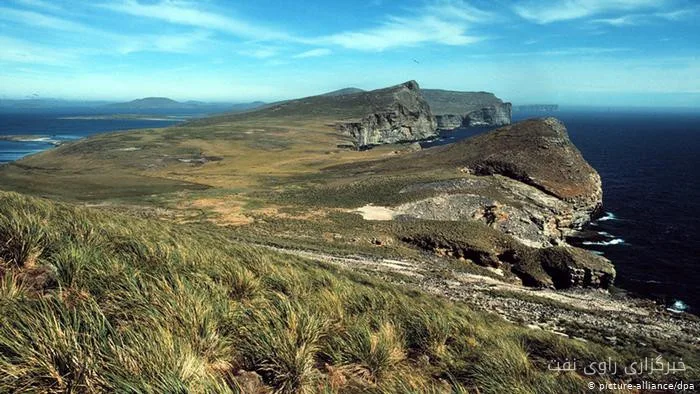
Halliburton, one of the largest oil service providers in the world, has refrained from participating in the Sea Lion project located off the coast of the Falkland Islands. This decision comes amid increasing political pressures from the President of Argentina on companies involved in this project.
Details of the Sea Lion Project
The Sea Lion project began in 2010 with the discovery of oil in the waters of the Falkland Islands. This project, led by the British company Rockhopper Exploration, has estimated recoverable reserves of about 315 million barrels of crude oil and is projected to reach a peak production of 50,000 barrels of oil per day.
Since the project's inception, it has faced numerous challenges, including high investment costs due to its geographical location and pressure from Argentina, which has consistently emphasized oil development in this region and claims it as its territory.
Political Pressures from Argentina
The President of Argentina, Javier Milei, threatened last month to impose sanctions on drilling companies near the Falkland Islands and emphasized that this territory under British control belongs to Argentina. In a televised speech, Milei stated that "the Malvinas are historically and legally Argentine" and noted that if oil companies do not cease operations in this area, the Argentine government will sue Britain.
Milei also stressed that he has tasked the Foreign Ministry and legal teams of the country to initiate international arbitration against Britain for the illegal exploitation of their resources in the Sea Lion project.
Halliburton has stated that its decision not to participate in this project is due to communications with the Argentine government, which included "questions regarding the enforcement of criminal and civil laws" and "laws related to the issuance of contract licenses."
Given the current situation, Halliburton's decision is seen as an example of the political pressures from Argentina, likely linked to the country's energy development plans. Argentina is currently exploiting the Vaca Muerta shale fields, which have consistently broken production records and turned oil and gas into key factors for economic growth.
According to Rystad Energy forecasts, crude oil production in Vaca Muerta could reach one million barrels per day by 2030. With such high potential, Argentina does not need to compete with projects located in disputed areas.
Now, the question for Rockhopper Exploration and Navitas Energy is whether they can find an oil service provider willing to stand alongside them amid the risks of lawsuits and sanctions.



