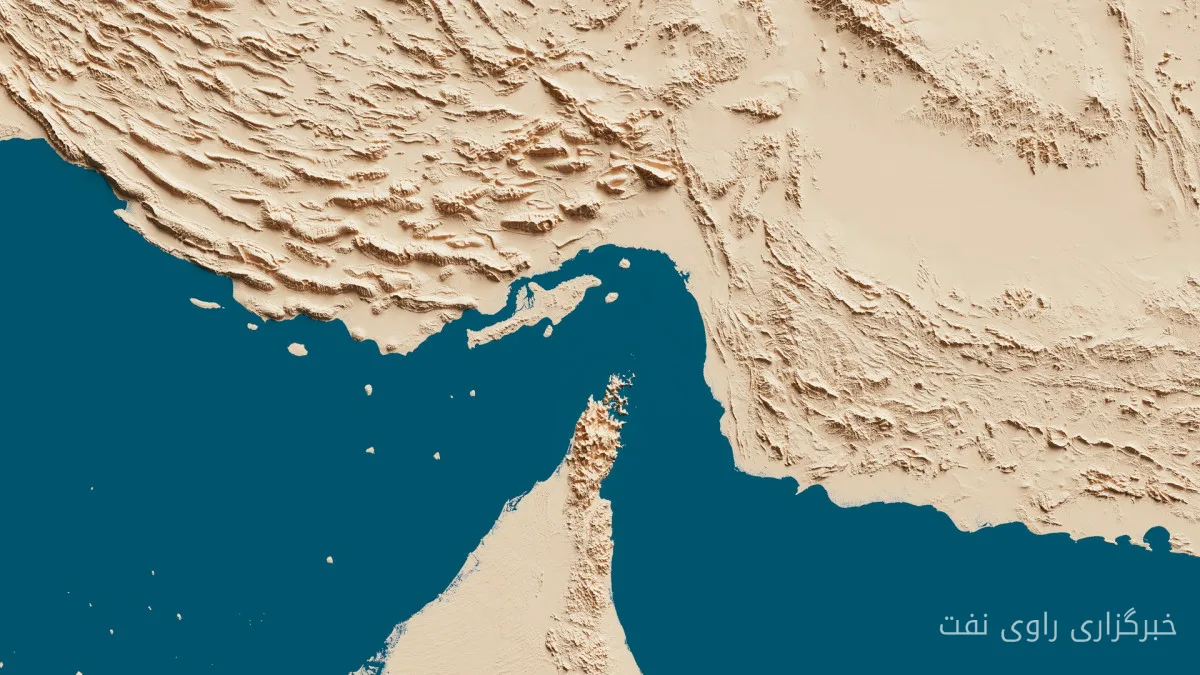
Senior executives from some of the largest oil companies in the Gulf have called for attracting foreign investments to create and develop new routes to bypass the Strait of Hormuz and increase the capacity for storing crude oil and fuel outside this region and closer to consumers.
Statements from the CEO of Saudi Aramco
Amin Nasser, CEO of Saudi Aramco, stated at the Energy 2026 conference in London: "While the Kingdom of Saudi Arabia is capable and confident, and its systems are adapting, no country should bear this challenge alone. Any attack comes with a global cost that includes weaker energy security, greater market disruptions, and threats to people's lives and livelihoods." Nasser also emphasized that "oil and gas infrastructure should not be seen as a cost to be avoided; rather, it is a collective necessity for producers and consumers."
Read more: WTI Crude Price Forecast by Over 100 Oil and Gas Industry Managers
Kuwait's Actions for Fuel Storage
Sheikh Nawaf Saud Al-Sabah, CEO of Kuwait Petroleum Company (KPC), announced at the same conference that Kuwait is negotiating with European partners to store refined petroleum products close to consumers in Europe. He stated: "We want to be in a position to provide products like diesel, and you must also make the necessary logistical investments so we can store them."
Following the outbreak of war in late February and the closure of the Strait of Hormuz by Iran, oil producers in the Gulf have been making significant efforts to transfer oil supplies from this region through alternative routes. They have also turned to innovative methods to navigate the Strait of Hormuz, transferring crude oil using smaller tankers to larger tankers at the shores of Fujairah or Oman.
Saudi Arabia quickly redirected more crude oil flows to the Red Sea via the East-West pipeline, but infrastructure was damaged last month due to drone attacks and was closed for two weeks for repairs to the damaged stations. Kuwait has intensified its efforts to establish storage sites outside the region, and Iraq, another major Gulf producer, is considering reviving an old pipeline to Syria to transfer crude oil from Iraqi fields to the Mediterranean coast of Syria.
Read more: Over 50 Iranian Tankers Stopped in the Gulf Due to U.S. Blockade · Brent Trades Again at Around $100 per Barrel



