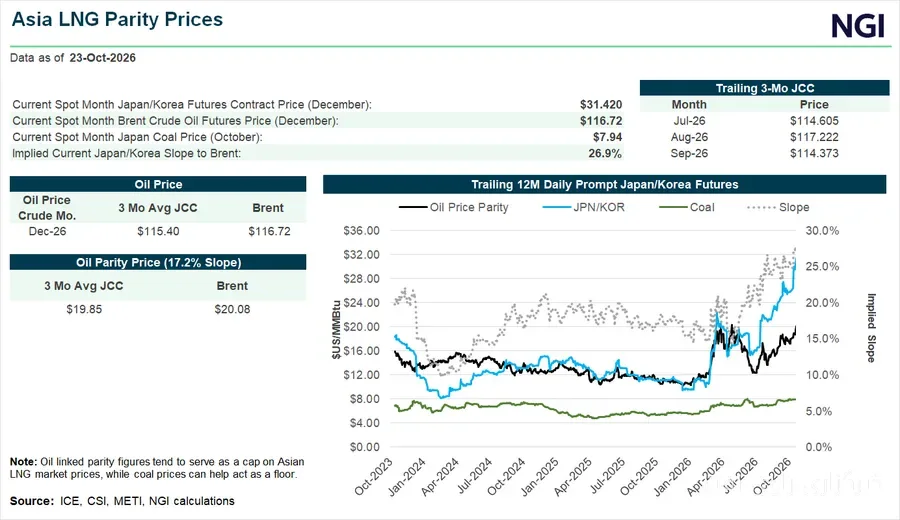
As countries seek to improve their economies and manage energy resources, gasoline prices are rising in an unprecedented manner. Studies show that gasoline prices have currently reached their highest level for this time of year, raising concerns among consumers and economic analysts.
Is this price increase temporary?
The rise in gasoline prices, especially in the fall season, has become one of the hot topics due to high demand and reduced supply. Analysts believe that factors such as supply chain crises and rising production costs could contribute to the continuation of this upward trend. Meanwhile, many consumers are worried about the impact of these prices on their daily expenses.
Social and Economic Impacts
This upward trend in gasoline prices could have profound effects on the macroeconomy and the daily lives of people. Rising fuel costs, especially as many families struggle with financial challenges, could lead to increased prices for goods and services. In this context, many questions arise about the future of prices and the possibility of their reduction.
Ultimately, it seems that this increase in gasoline prices has not only set a historical record but could soon become a serious challenge for governments and policymakers. In such circumstances, the need for smart planning and policymaking to manage this crisis is felt more than ever.