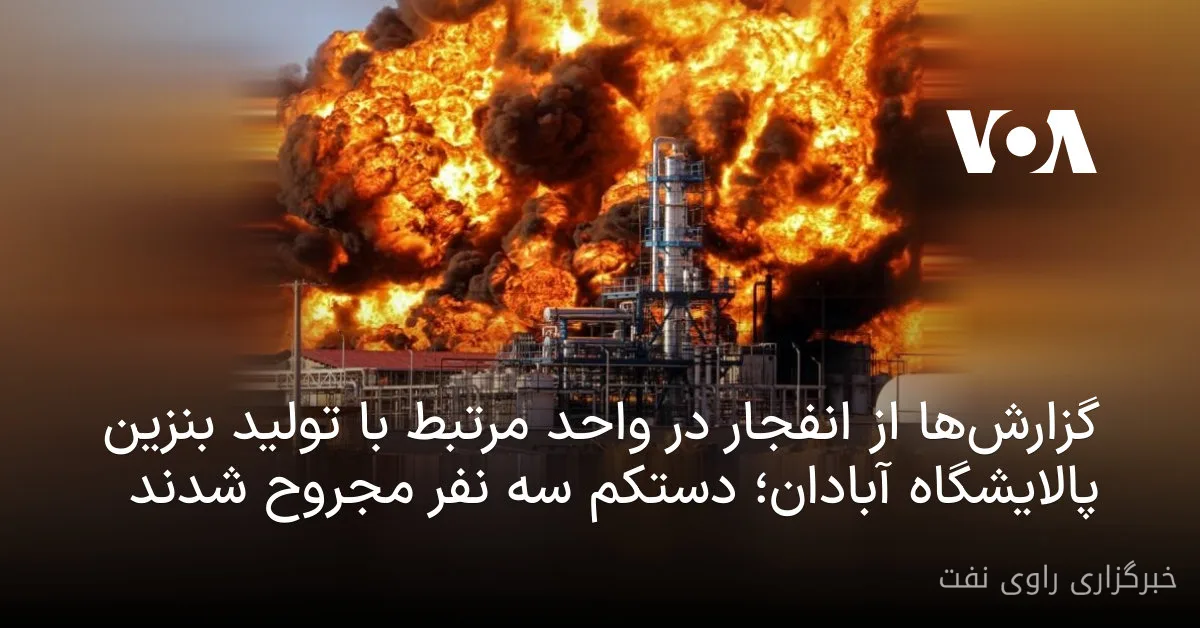
The explosion in the furnace of Unit 70 at Abadan Oil Refinery on October 2 caused a serious incident that led to the injury of at least three employees of the refinery. Abadan Refinery, which is considered one of the largest and oldest oil refineries in Iran and the Middle East, is recognized as the main supplier of gasoline production in the country.
Details of the Incident and Its Consequences
Reports indicate that following this explosion, the refinery's capacity has decreased from 11 million barrels per day to about 8 million barrels. This incident has significantly impacted the country's gasoline production, and according to some news sources, approximately 80,000 barrels of refining capacity have been lost. Currently, specialists are working to address the technical fault identified as the cause of this explosion.
Read more: Brent crude oil price reached $105.12
Background and Importance of Abadan Refinery
Abadan Oil Refinery was established in 1912 and began operations as the first oil refinery in the Middle East. This refinery is connected by pipelines to several oil fields and the Mahshahr port, supplying 23% of Iran's gasoline consumption. In addition to gasoline, this refinery also produces gas oil, liquefied gas, and other petroleum products.
Similar incidents have occurred in the past at this refinery, including a fire in the distillation tower of Unit 70 last July that claimed the lives of three employees. Alongside economic crises and the maritime blockade of Iranian ports, gasoline shortages have become a major challenge, and domestically produced gasoline has caused serious damage to vehicles due to lack of necessary standards.
The CEO of Abadan Refinery has announced that the reconstruction of the exploded furnace will take at least two months, during which gasoline production will be severely reduced. This situation clearly highlights the serious challenges in the country's oil and energy industry.
Read more: Eni has reached the Sapukala offshore exploration block in the Kutei basin of Indonesia · Deputy Minister of Oil: Fuel cards are available to the public without restrictions



