The fuel emergency card identification scheme is being expanded to create transparency and control in the country's refueling. Abbas Basafa, the manager of the smart fuel system at the National Iranian Oil Products Distribution Company, stated that this scheme is a legal obligation for personal cars and motorcycles due to legal requirements.
Details and Legal Requirements of the Scheme
According to part "1" of clause "b" of article 46 of the Seventh Five-Year Development Plan and in line with the sixth strategy of the Comprehensive Energy Supply and Allocation Program, identifying refueling is a necessity. Additionally, according to part 3 of the 2024 budget law, the National Iranian Oil Products Distribution Company is required to ensure that 95% of refueling is done through personal smart cards and a maximum of 5% through emergency cards.
Read more: Expansion of pipeline capacity in the Permian field reduces the price gap of fuels
New Token Acquisition Process
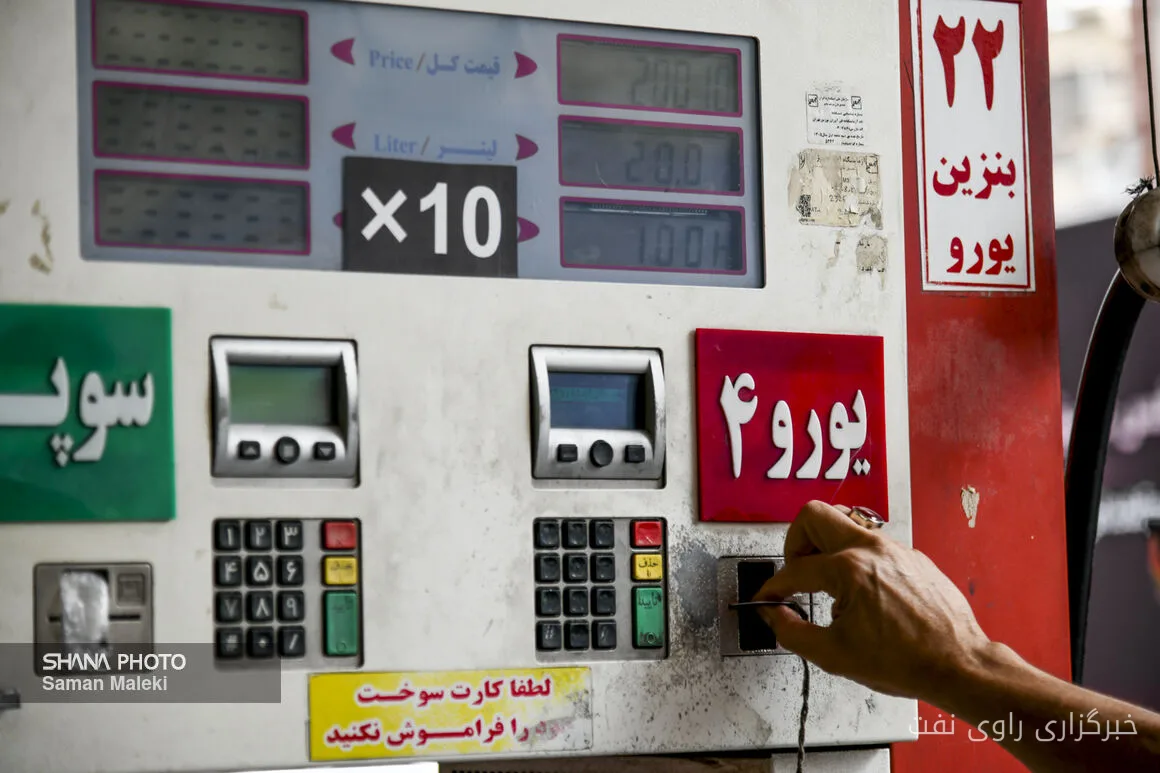
Basafa further explained that in the new method, a step for "authentication" has been added before refueling. Currently, new devices have been installed and launched at 100 fuel stations in Tehran, where 100% of refueling with emergency cards is done through the identification scheme. In this method, the applicant first swipes their valid bank card in the device, then selects the desired volume (from 10 liters up to the maximum allowed 25 liters in Tehran) and enters the bank card PIN. After that, the device issues a receipt containing a token.
Statistics and Results of the Scheme
Basafa provided statistics on the performance of this scheme at selected stations in Tehran, stating that 845,386 token inquiries were registered within a week of the scheme's implementation, of which 735,000 transactions resulted in confirmed payments and refueling, totaling approximately 17.5 million liters of gasoline sold through these vouchers. Additionally, 580,339 unique national codes were also inquired.
Development of the Scheme Nationwide
The manager of the smart fuel system emphasized that this scheme should be implemented across the country, and after completing coverage in Tehran, the next priority will be to implement the scheme throughout the Tehran province. With the implementation of this scheme, citizens will be able to keep their first and second-rate personal card quotas for travel and easily and transparently use the allocated quota through the emergency card during regular visits.
Read more: The International Energy Agency agreed to release 100 million barrels of oil · New report on green goals in the maritime transport industry