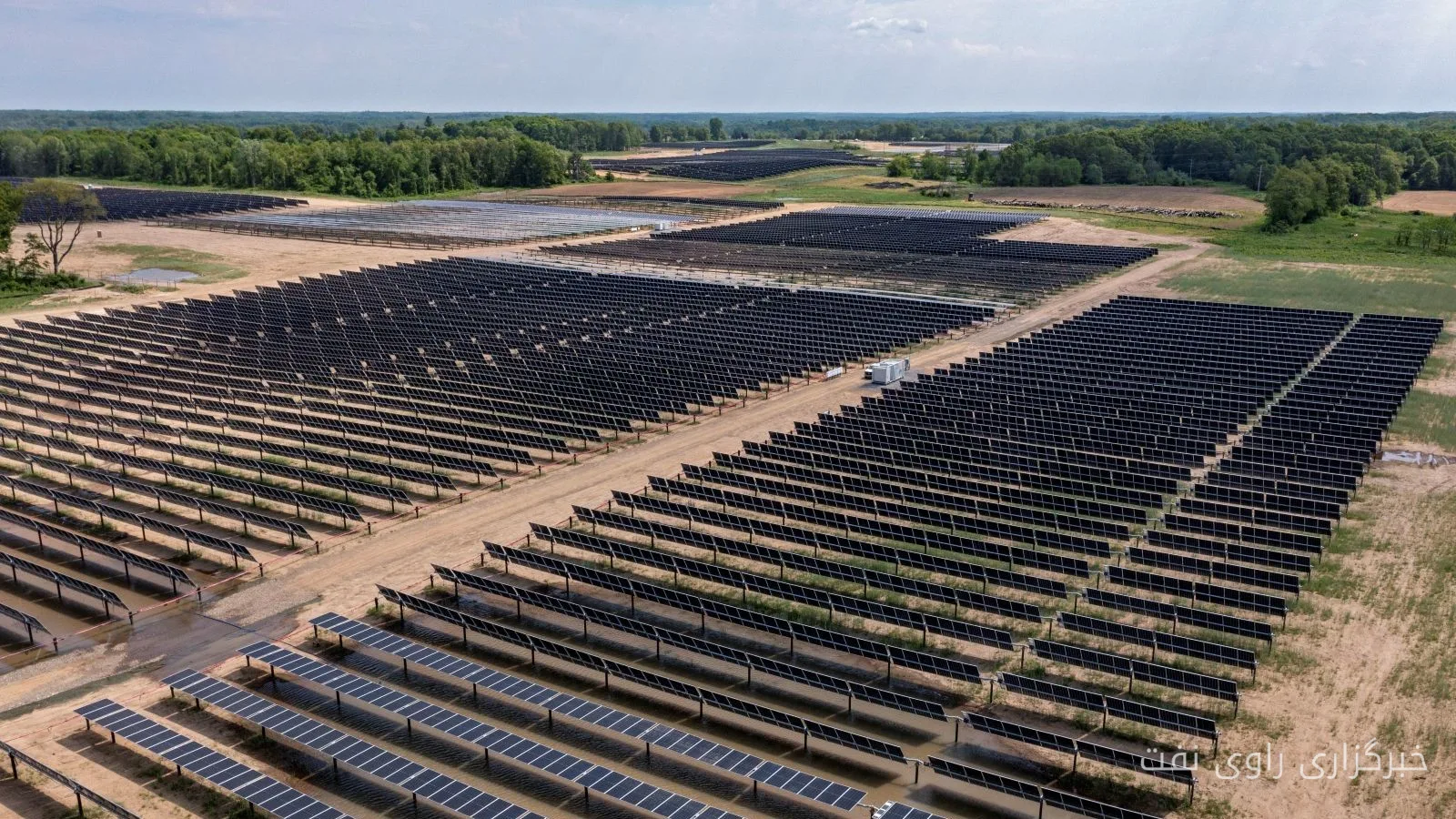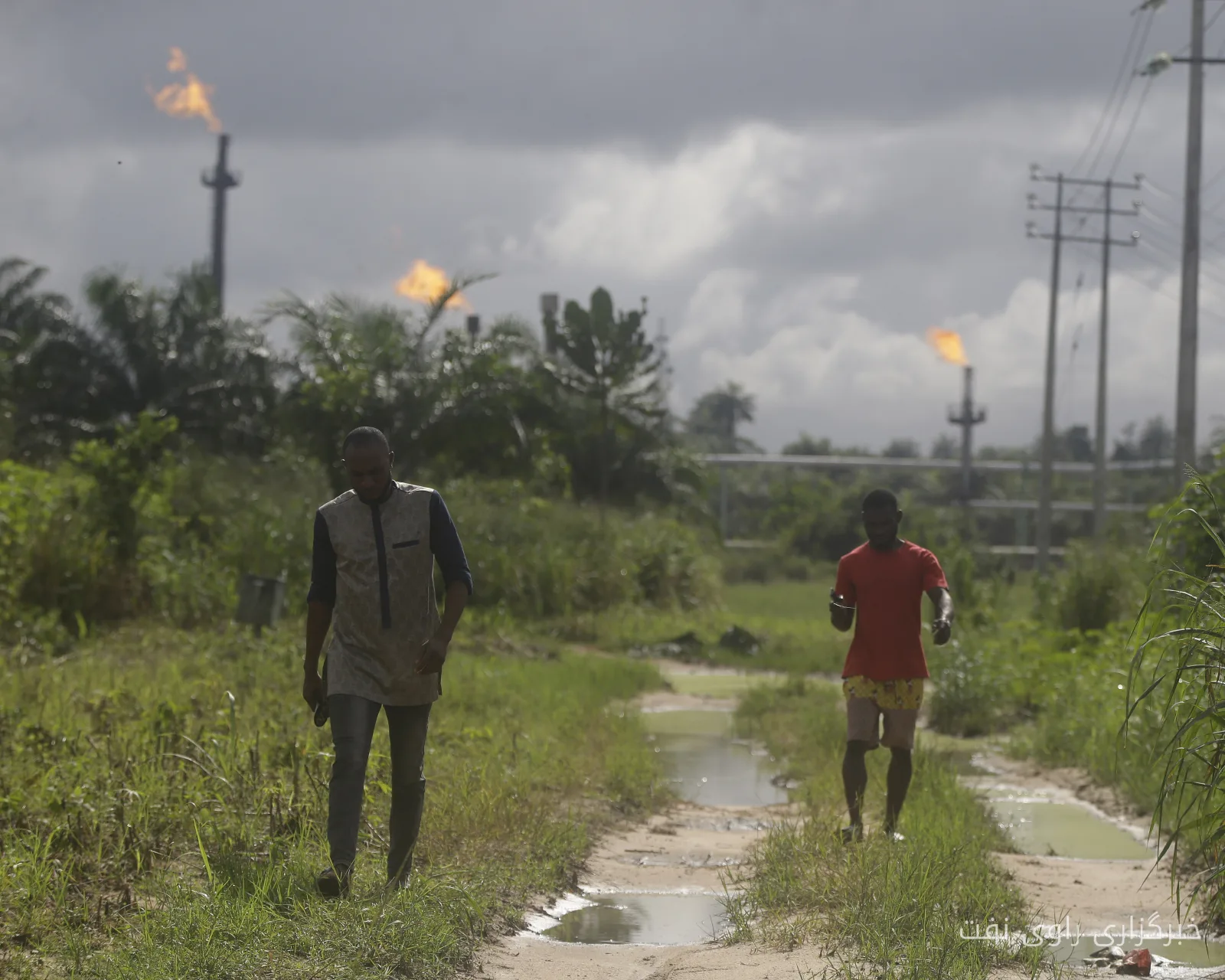
As the world gradually moves towards reducing its dependence on oil, experts warn that this shift could have dire consequences for oil-rich countries. In this context, Nigeria, Iran, Angola, and Algeria are identified as countries that will be severely affected by these developments.
Economic and Social Consequences
These countries are heavily reliant on oil revenues to fund public expenses and social services, and with a lack of economic diversification and sufficient investment, they seem unlikely to cope with these changes. In fact, if governments do not act quickly, these countries may face internal conflicts and waves of migration that will not only undermine regional stability but also threaten global security.
Research indicates that in the absence of international support, the vulnerability of these countries will increase, and the consequences could manifest as humanitarian and economic crises. Meanwhile, local communities, which are significantly affected by fluctuations in the oil market, may face greater instability and insecurity.
Need for Immediate Action
In the face of these challenges, the need for a comprehensive and immediate plan to support the affected countries is strongly felt. Only through coordinated efforts and international support can serious crises be prevented and these countries helped to move towards economic diversification and reduced dependence on oil. Otherwise, a dark future awaits these countries, which could impact many aspects of people's lives.