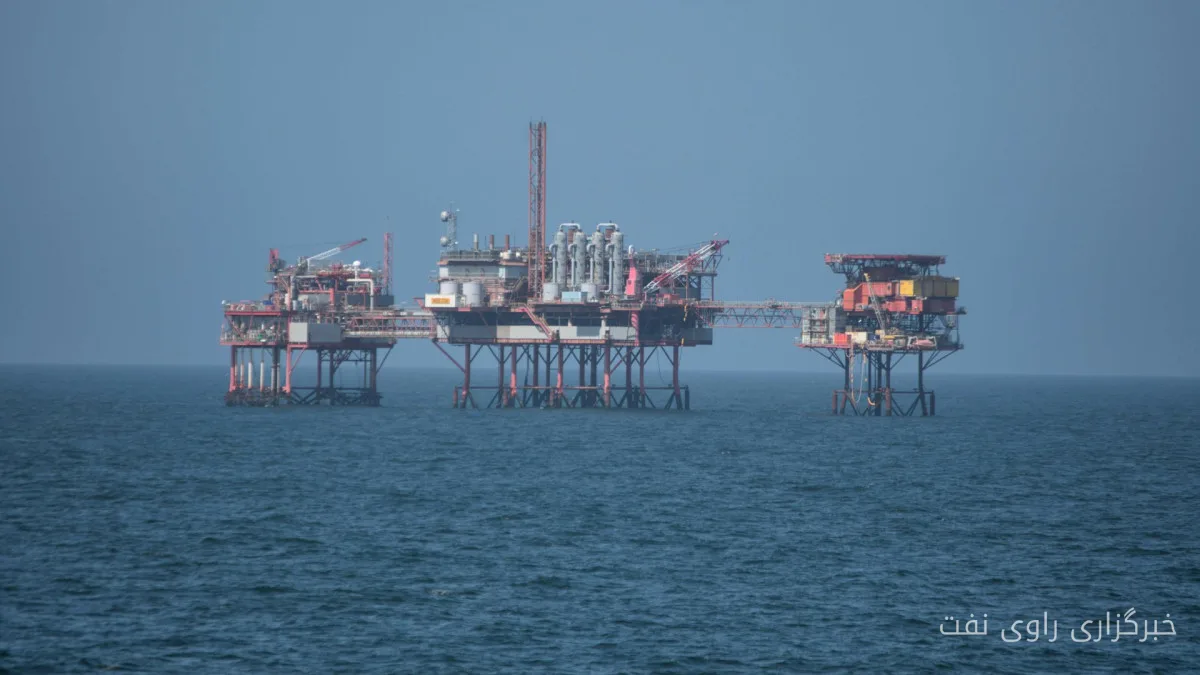
Equinor has discovered new gas in the Gullfaks field that will help maintain production and activity in the production license of this field located in the northern North Sea.
Details of the Gas Discovery
Equinor announced on Thursday that, along with its partners, Petoro and OMV, it has discovered gas in the southern Gullfaks field. This field is located 190 kilometers (118 miles) northwest of Bergen, and estimates suggest that there are between 3.3 million and 10.3 million barrels of recoverable oil equivalent in this exploratory well, which is a deviation related to drilling a production well.
Importance of the Discovery for the Field
Gunnar Eg, Vice President of Equinor for the Gullfaks field, stated: "It is very positive that discoveries of this size may be possible with cost-effective exploratory wells." He added: "These profitable barrels can help maintain activity and production in the Gullfaks field." The Gullfaks field began production in 1986 and reached its peak production of crude oil and gas in the 1990s.
Norwegian offshore operators, including Equinor, are seeking to maximize production from existing fields through exploratory drilling near platforms and operational infrastructure. The satellite fields of southern Gullfaks, Rimfaks, Skinfaks, and Gullvig have been developed using subsea wells that are remotely controlled from Gullfaks A and C platforms.
Norway is striving to maintain a high level of oil and gas production and exports for at least another decade to strengthen the economy and provide oil and gas for Europe. Since Russia's invasion of Ukraine, which led to a significant reduction of Russian gas to Europe, Norway has become the largest supplier of gas to the European Union and the UK.
Equinor has specifically planned to drill 20 to 30 exploratory wells each year to maintain current production levels at least until 2035. The company received 35 new production licenses in Norway's continental shelf for mature exploratory areas in January. Norway produces over 4 million barrels of oil equivalent per day, with oil and gas nearly evenly split, providing 2 million barrels of oil equivalent per day for each.



