Jerome Powell, Chairman of the Federal Reserve of the United States, reported on the unexpected resilience of the global economy against economic shocks at the annual meetings of the International Monetary Fund (IMF) and the World Bank in Bangkok. Powell stated that signs of resilience are observed almost everywhere in the global economy, which was difficult to predict five or six months ago.
Challenges Facing Central Banks
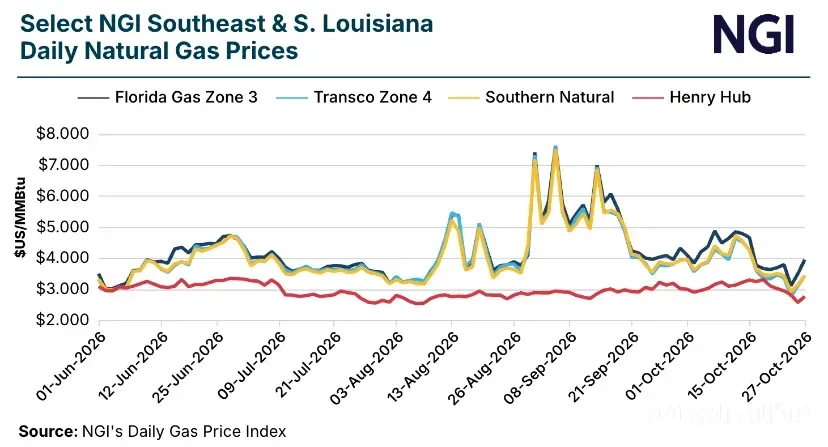
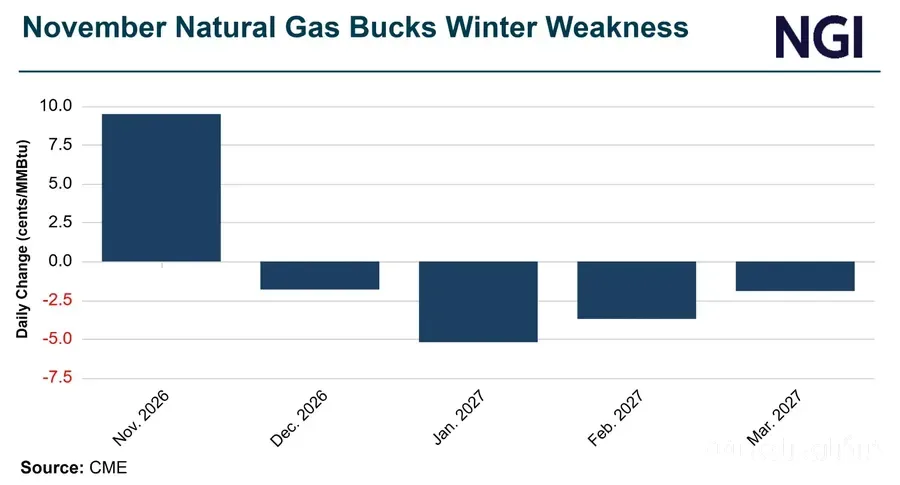
These remarks come as central banks around the world are grappling with rising inflation due to economic crises and sharply increasing interest rates in wealthy countries. Powell pointed to rising energy prices, especially oil and gas, which have surged significantly since the onset of tensions in the Middle East, particularly following the war over Iran.
Read more: Baltic Sea Index Drops by 122 Points to 2545 Points
The rise in oil and gas costs, along with increased investment in artificial intelligence technologies, has led to rising inflation in many economies, including the United States, intensifying pressure on central banks to raise interest rates. The Federal Reserve has been unable to achieve its two percent inflation target for over five years.
Actions and Future Predictions
Powell, who has led the Federal Reserve since May, has promised that the central bank will act in pursuit of price stability. In September, the Federal Reserve raised rates for the first time in three years, and markets expect the bank to take similar action this month.
Powell acknowledged that they reached a consensus at the September meeting regarding the economic outlook and believes that over the past month, the world has generally aligned with their expectations. He also heard from his colleagues in other countries about the common challenges facing advanced economies.
He said, “I heard a commitment from my colleagues around the world to achieve price stability.” Most wealthy countries have raised interest rates in response to rising inflation, including the European Central Bank (ECB).
Powell referred to discussions surrounding artificial intelligence and introduced it as a significant change in the global economy. He predicted that the impacts of this technology would be positive, but the road ahead may be challenging. He noted the macroeconomic consequences of this technology, stating that in the short term, it may lead to rising prices, but in the long term, it will bring positive supply-side shocks.
Read more: 7% Decrease in Gas Demand in the European Union Due to Low Storage · Iran's Crude Oil Exports Have Reached Zero