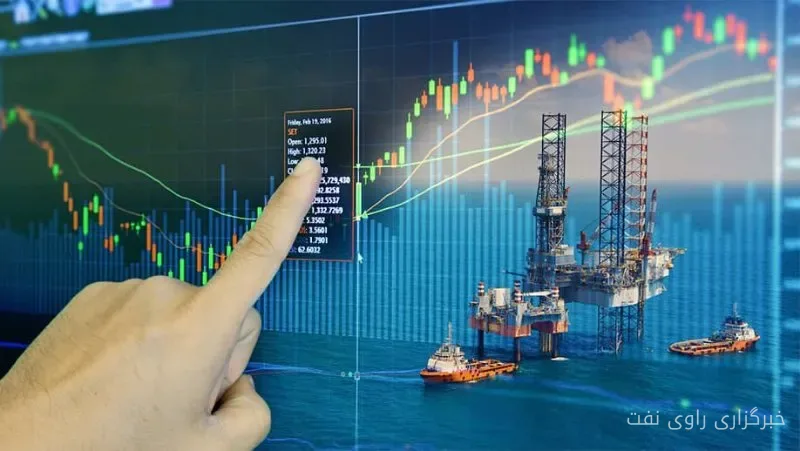
The development of the petrochemical value chain and investment in gas fields has been highlighted as two key axes in controlling prices and improving the economic resilience of the country. Given the continuous shocks to global energy markets and geopolitical changes, Iran must revise its energy strategies.
The Necessity of Changing Energy Consumption Patterns
Changes in energy consumption and production patterns at the international level, especially considering the increasing demand for clean energy, have gained special importance. Countries are seeking a deeper connection between industry and technology to enhance economic resilience and energy security. This shift in approach, particularly for Iran, which faces structural challenges such as seasonal gas imbalance and high energy waste, provides an opportunity to significantly improve its economic situation by utilizing modern technologies and developing renewable energy.
Read more: The U.S. Coast Guard announced storm conditions for the Mississippi River ports
Development of Downstream Industries and Attracting Investment
Mahdi Sadeghi Shahdani, a faculty member at Imam Sadiq University, emphasizes that linking the interests of downstream sectors with the development of upstream fields not only solves the feedstock imbalance issue but also provides the necessary groundwork for directing private sector investments towards national projects. He believes that fluctuations in the global energy market present a golden opportunity for Iran to enhance its share of the added value of this market by investing in upstream oil and gas and developing downstream industries.
Converting natural gas into petrochemical products, especially during price surges, can contribute to increased revenue generation and protect the economy against market volatility. Additionally, with the rising value of carriers, efficiency enhancement projects in industries gain additional economic justification and can act as a catalyst for the industrial production chain.
Sadeghi Shahdani points to optimizing consumption and developing technology as two complementary paths, stating: "By directing part of the electricity production capacity towards renewable power plants, significant amounts of fossil fuel can be freed up for use in petrochemical and steel industries. This approach can help improve the country's economic situation."
He also emphasizes the necessity for petrochemical industries to directly invest in gas fields, stating: "Current conditions have provided the necessary motivation for petrochemical complexes to directly engage in the development of gas fields, not only to secure sustainable feedstock for their production lines but also to play a significant role in financing national oil and gas projects."
Ultimately, achieving economic goals depends on integrating smart short-term and long-term planning in investment in fields, optimizing consumption in industries, and utilizing advanced technologies. This planning can contribute to economic transformation and the optimal use of the country's hydrocarbon resources.
Read more: Chevron divested its ownership in Hess Midstream and DJ Basin field assets · President Trump identified refineries as the main pressure point on gasoline prices



