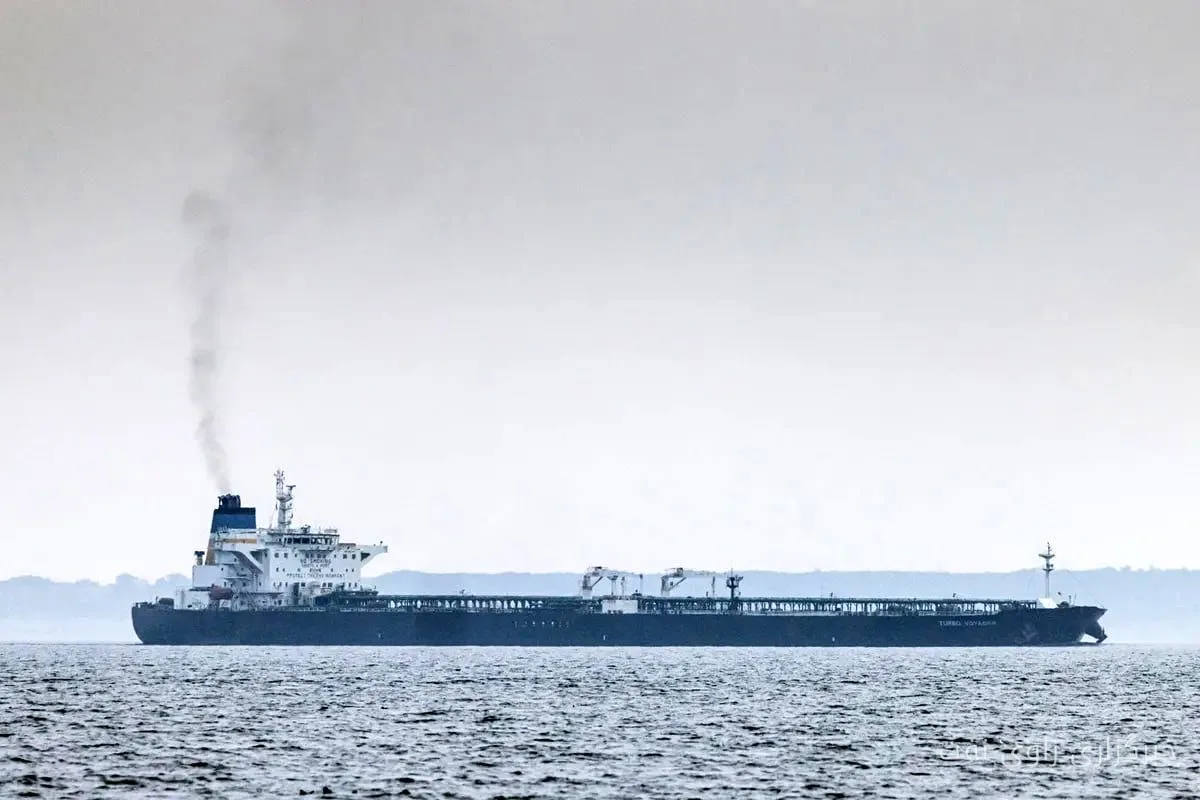
The volume of Russian crude oil exports last week decreased to 3 million and 530 thousand barrels per day, indicating a significant reduction in the country's export activities. This decline has occurred amid new sanctions from the United States and the gradual resumption of oil transfers from the western coast of Saudi Arabia, putting additional pressure on key Russian markets.
Reasons for the Decline in Exports
According to tanker tracking data, this weekly export decline is primarily attributed to the halt in loading shipments at the Novorossiysk port on the Black Sea. In the week ending September 20, 32 tankers loaded a total of 24 million and 990 thousand barrels of Russian crude oil, compared to 27 million and 240 thousand barrels loaded by 38 tankers in the previous week, indicating a decrease. No shipments of Russian oil were loaded at the Novorossiysk port during this week.
Read more: Qatar Increases Liquefied Gas Tanker Traffic from the Strait of Hormuz
Impact of Sanctions and Competition
The U.S. government has also passed a law that allows it to impose tariffs of up to 100 percent on imports from five main countries buying Russian energy. This action could significantly impact oil purchases from countries like India, which has recently reduced its share of Russian oil from over half of its total imports to 20 to 30 percent. This decision could decrease India's purchases by more than one million barrels per day.
At the same time, ongoing attacks on Russian refining facilities, with a refining capacity of nearly one million barrels per day, have halted oil activities in areas such as Tolyatti and Yaroslavl. These attacks, along with sanctions and increased competition in the global market, have made conditions for Russian oil exports more challenging.
In financial terms, the four-week average gross value of Russian exports reached 2 billion and 100 million dollars per week, showing a growth of 190 million dollars compared to the previous period. Exports to Asian customers during this period have remained nearly stable at 3 million and 380 thousand barrels per day, while exports to Turkey and Egypt have also remained steady at 80 thousand barrels per day, respectively.
Read more: Eni Achieves Exploration Block Sapukala in the Kutei Basin of Indonesia · Saudi Aramco Increases Crude Oil Loading After Pipeline Disruption



