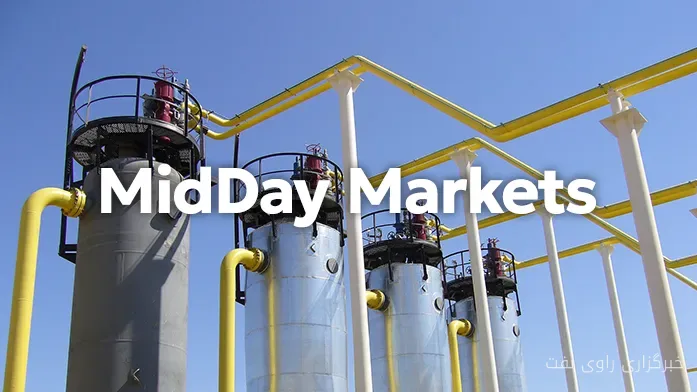
Natural gas futures prices experienced a downward trend on Friday following mild weather forecasts for October and reduced electricity demand. Meanwhile, restrictions on the Columbia Gas Transmission (TCO) pipeline in the Appalachia region remain in place. Despite these conditions, demand for liquefied natural gas (LNG) has increased, acting as a balancing factor against negative market influences.
Details of TCO Pipeline Restrictions
Restrictions on the Columbia Gas Transmission (TCO) pipeline, one of the main natural gas transmission lines in the United States, have a significant impact on the supply of this strategic commodity. This pipeline, which has a daily transmission capacity of 2.5 billion cubic feet of gas, is currently facing restrictions due to technical issues and maintenance. These restrictions have raised concerns in the natural gas market and increased pressure on prices.
Market and Demand Impacts
Despite reduced electricity demand in some areas due to mild weather conditions, LNG demand in global markets, especially in Asia, has increased. This rise in demand has acted as a positive factor for the natural gas market, mitigating the negative impacts of TCO restrictions. Analysts believe that given the decrease in natural gas inventories in storage and rising foreign demand, prices may be affected in the near future.
Currently, the natural gas market is undergoing significant changes due to a combination of internal and external factors. Investors and analysts are closely monitoring price trends and infrastructure restrictions to make the best decisions in this turbulent market.
Read more: Brent Crude Oil Price Reaches $105.64 · Federal Energy Regulatory Commission Accelerates Pipeline Approval Process



