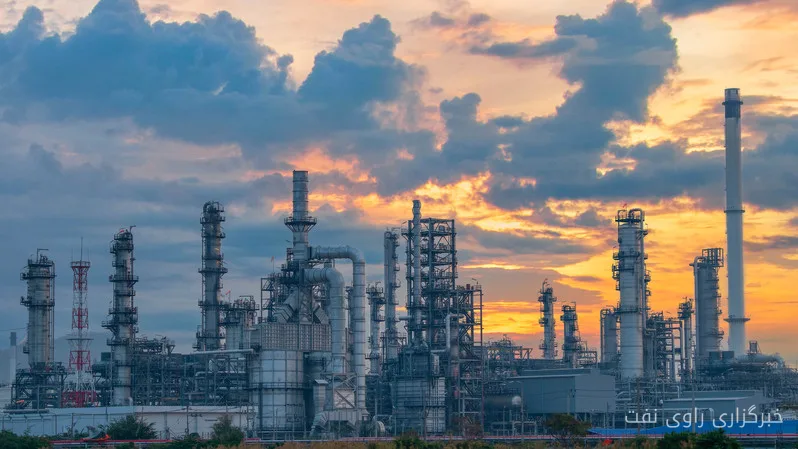
The explosion and fire at one of India's largest refineries, Mangalore Refinery and Petrochemicals (MRPL), in the city of Mangalore, occurred on Wednesday. This incident followed pressures from the Iran war and fuel supply shortages in the market, while India was trying to keep its refinery operations above normal rates.
Details of the Incident and Casualties
According to reports, the explosion was caused by the rupture of a high-pressure cold separator in the hydrocracker unit at the refinery with a capacity of 15 million tons per year, resulting in the death of one worker and injuries to at least eight others. The explosion, which occurred around 12 PM local time, led to a fire that took about two and a half hours to extinguish. MRPL immediately isolated the affected unit and dispatched its emergency and firefighting teams to the site.
Consequences for the Fuel Market and Future Plans
Currently, MRPL has not announced a specific timeline for the hydrocracker unit to return to operational status, and it is unclear whether this incident will affect the overall production of the refinery. The intensity of the explosion was such that its sound was heard over a distance of more than 10 kilometers, and reports of broken windows and damage to buildings surrounding the refinery have emerged. This disruption occurs as India's fuel market is under pressure due to a shortage of diesel and high margins.
MRPL had planned to operate the Mangalore refinery at over 100% capacity by March 2027. The company had also been forced to declare force majeure on gasoline exports this year due to disruptions caused by the Iran war. The hydrocracker unit is part of MRPL's phase 3 complex and is designed to refine products resulting from coking operations to remove sulfur and other pollutants.
Overall, the immediate impact of this incident on the market depends on whether MRPL can maintain refinery operations while inspecting and repairing the damaged unit. As of the writing of this news, the company has not announced any extensive measures to shut down the refinery.