Citibank, as one of the largest financial institutions in the world, has examined the state of the oil market in its latest report and attributed the increase in short-term risks for oil prices to supply shortages caused by disruptions in shipping traffic. This financial institution emphasized that the logistics and transportation situation has a direct impact on oil prices and that this trend will continue soon.
Factors Affecting Oil Prices
In its report, Citibank pointed out that the normalization of oil exports from the Gulf countries is more related to export volume than to the logistical situation. According to this report, unprecedented problems in transportation and the provision of necessary infrastructure have led to increased delivery costs for crude oil, especially for Very Large Crude Carriers (VLCCs). This increase in costs itself indicates the growing complexity in logistics and transportation.
Read more: Hamid Bord Increased Iran's Oil Production Capacity to 3.7 Million Barrels
Transportation Costs and Their Impact on the Market
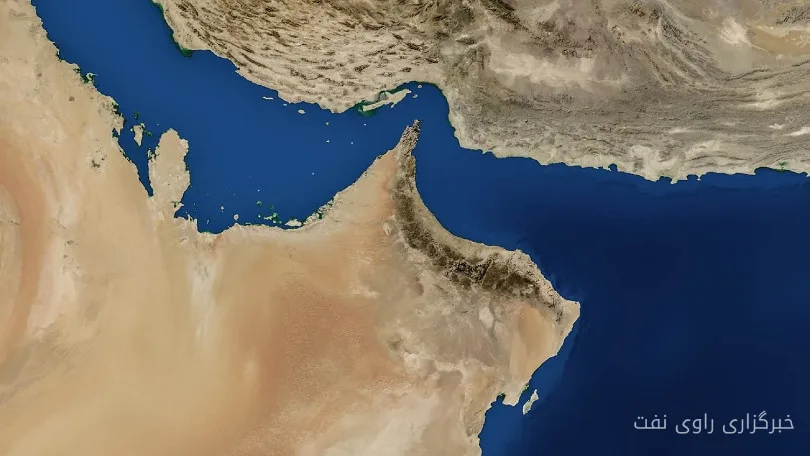
Before the start of the U.S. and Israeli regime's war against Iran in late February, the Strait of Hormuz was recognized as the passage for nearly one-fifth of the world's oil and liquefied natural gas (LNG) supply. However, under current conditions, Citibank has announced that transportation costs for Very Large Crude Carriers on the route from the Persian Gulf to China have recently reached about $250 per ton or approximately $35 per barrel. This figure is more than 20 times the average transportation cost over the past decade and indicates serious challenges in the oil market.
Overall, this situation could have significant consequences for the global oil market. Increased transportation costs could lead to higher oil prices in global markets, thereby impacting energy-dependent economies.
Read more: Over 236,000 Tons of Steel and Petrochemical Products Offered on Iran's Commodity Exchange · Decline in Physical Oil Prices in the Middle East