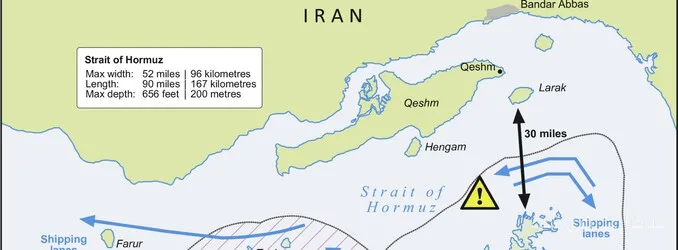
Chris Wright, the U.S. Secretary of Energy, in recently published statements, warned investors and oil market analysts that they should not expect a transformation in the Strait of Hormuz. He specifically referred to the continued operation of alternative routes that are still capable of transporting about 10 million barrels of crude oil and petroleum products per day.
Upcoming Challenges
The U.S. Secretary of Energy noted the complex and unstable conditions in the Persian Gulf region, stating that although the Strait of Hormuz is one of the most important oil transportation routes in the world, recent developments indicate that the oil market must also rely on other routes. Wright emphasized that this situation is likely to continue due to political and military tensions in the region.
Unrealistic Expectations
Wright criticized some unrealistic expectations regarding easy access to oil resources through Hormuz, stating that this route faces limitations not only due to political issues but also due to technical and infrastructural challenges. He added, "It seems that the oil market must prepare itself for a longer period of instability." These remarks come at a time when global oil prices are fluctuating due to various factors.
Overall, analysts believe that while the Strait of Hormuz still maintains its importance, dependence on this route is decreasing, and it seems we will soon witness further changes in oil trading patterns. In this regard, Wright emphasized that countries should seek new sources and routes for their energy supply.


