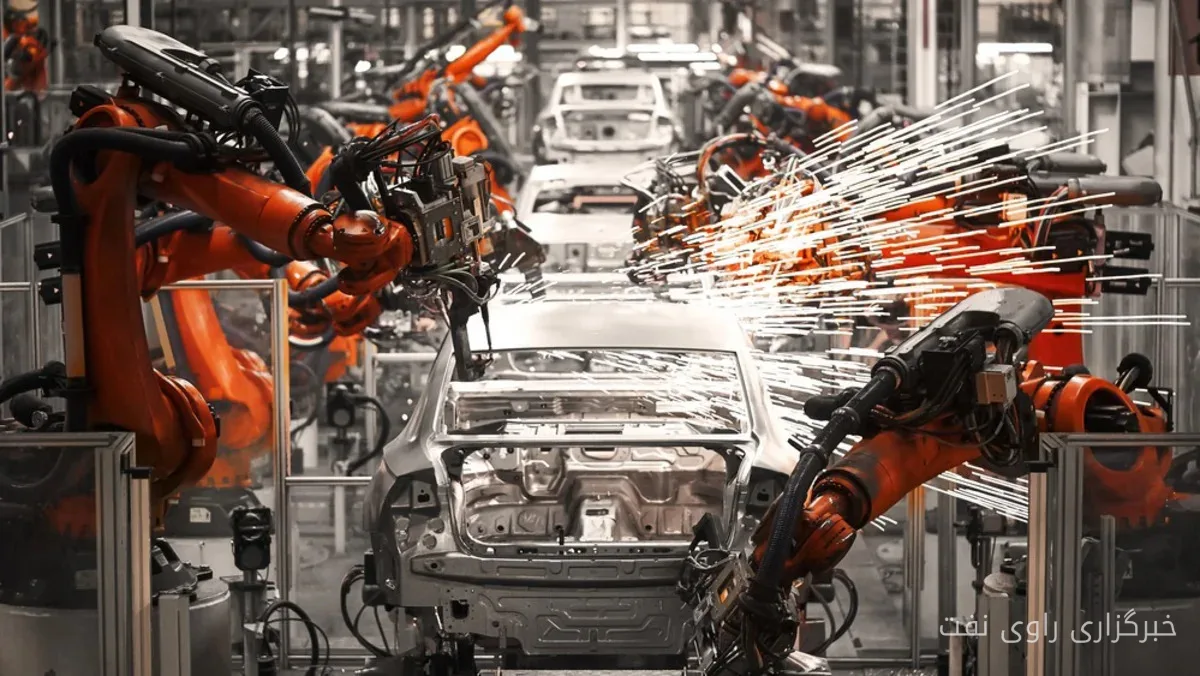
China, as one of the largest car markets in the world, is planning extensive changes in its transportation industry. The country's 70% target for the production and use of electric vehicles (EVs) in the coming years has raised serious concerns for oil producers. This move seems to indicate major changes in consumer behavior and a reduction in demand for fossil fuels.
Impact on the Global Oil Market
As China is recognized as the largest oil importer globally, this decision could have profound implications for the global oil market. It is anticipated that with the increased use of electric vehicles, oil demand will significantly decrease, which could affect global oil prices.
In recent years, many countries have been moving towards the development and expansion of renewable energy and electric vehicles. However, with this specific target, China has taken a leadership role in this trend and has shown its intention to rapidly move towards a greener economy. These changes will not only impact the oil market but also the industries dependent on it.
Challenges and Opportunities
Despite the challenges related to electric vehicle charging infrastructure and the need for substantial investments, this change could present new opportunities for electric vehicle manufacturers. Additionally, the increased focus on environmental issues and reduced air pollution are other benefits of this shift.
Ultimately, China's 70% target for electric vehicles should be viewed as a wake-up call for the oil industry. This action reflects fundamental changes in energy consumption patterns and the need for greater attention to renewable energy. Can the oil industry adapt to these changes, or should it brace for a serious crisis?