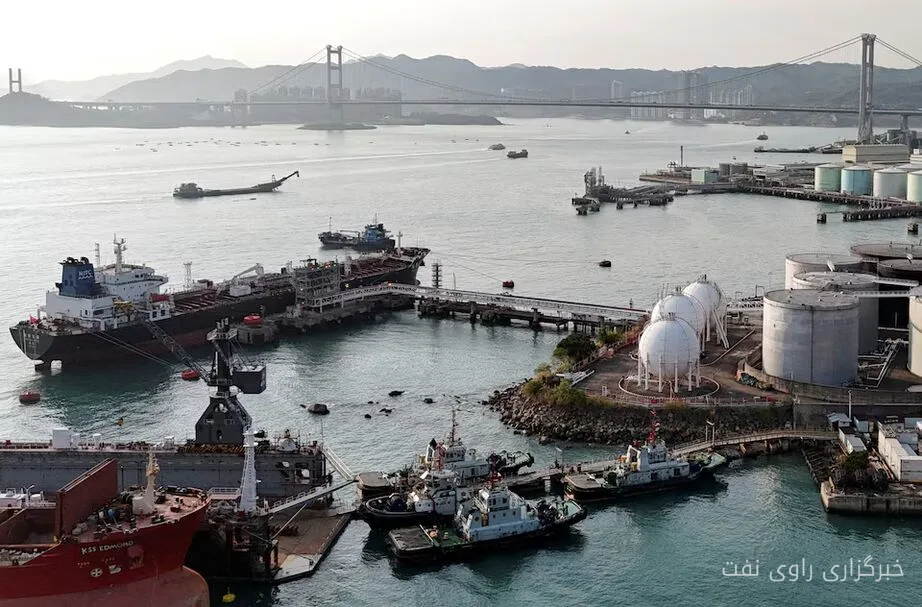
China's halt on petroleum product exports to destinations other than Hong Kong and Macau this month could significantly impact fuel supply to Asia's largest buyers such as Singapore, Malaysia, and Australia.
Impact on Refinery Margins
The reduction in fuel shipments from the world's largest refining hub has led to an increase in refinery margins in Asia to $50 per barrel above the price of Brent crude oil. This situation was particularly evident on Thursday (October 1).
China's Fuel Imports to Singapore
According to data from ship tracking company Kpler, Singapore, as China's largest gasoline customer, imported 1.772 million tons (equivalent to 14.97 million barrels) from the country in the first nine months of this year. This amount is 62% lower than the total imports for the year 2025, indicating a supply shortage in the market. Light petroleum product storage in Singapore has reached its lowest level in five years.
Traders in Singapore are blending gasoline for re-export to Indonesia. Muhammad Barun, a spokesman for Indonesia's state energy company (Pertamina), stated that the company continues to monitor developments regarding China's fuel export policies and is increasing domestic production and developing biofuels.
Impact on Jet Fuel Exports
Jet fuel constitutes a major part of China's exports, primarily to Hong Kong. Kpler's data shows that Singapore is the largest importer of diesel from China after Hong Kong, followed by Australia, Malaysia, and Bangladesh. Australia is recognized as the second-largest importer of China's jet fuel.
Government data indicates that Australia currently has gasoline reserves equivalent to 42 days of consumption, which is 110% more than the country's required amount. Additionally, the country's jet fuel reserves are equivalent to 29 days of consumption. Mukesh Sahdu, a senior oil analyst at XAnalysts in Sydney, stated that the direct impact of this situation on Australia is limited, but the halt of Chinese oil shipments to the global market could lead to price increases for all buyers.
Data from the London Stock Exchange Group (LSEG) shows that jet fuel prices have increased compared to diesel, with the price difference between the two types of fuel reaching about $2 per barrel, which has been unprecedented since mid-July.



