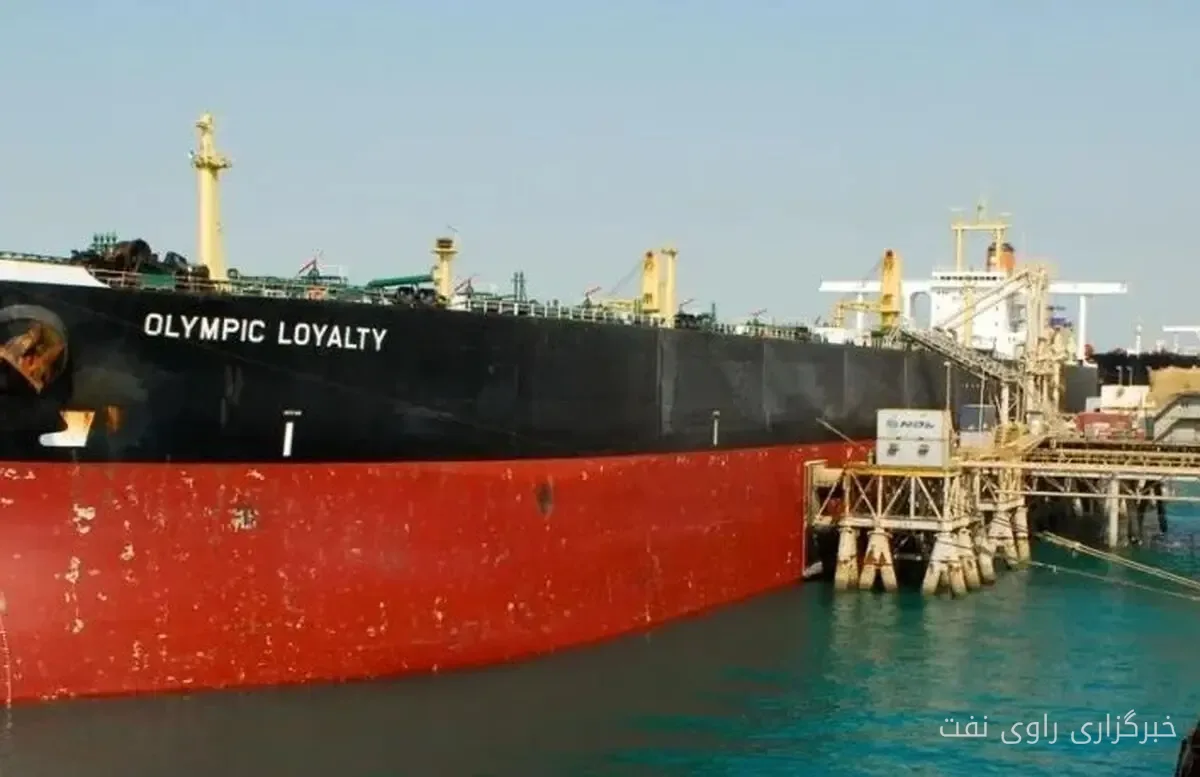
China has begun purchasing crude oil from Iraq and Qatar in response to the increased demand from private refineries for crude oil from Gulf countries. According to obtained information, Chinese refineries have purchased at least 12 million barrels of crude oil from trading companies Mercuria, Totsa, and Trafigura. This increase in purchases has occurred due to supply disruptions caused by the U.S. and Israel's war with Iran.
Details of Crude Oil Purchases
One trader estimated that total purchases have reached 15 to 20 million barrels. These shipments have been sold based on delivery, with a premium of $12 to $20 per barrel over the ICE Brent benchmark. The majority of the purchases include medium and heavy Basra crude from Iraq, which are recognized as the cheapest grades of oil available in the Middle East.
Buyers and Market Status
The buyers of these shipments include companies Hongrun Petrochemical, Qicheng Petrochemical, Qirun Petrochemical, Hualong, and Chambroad Petrochemical. One trader stated that Iraqi oil has become a new benchmark for independent Chinese refineries due to ample supply and the possibility of quick delivery. Additionally, Hongrun and Shenchi Petrochemical have also purchased 3 million barrels of Qatari oil of the Al-Shaheen type for delivery in early November.
These transactions occurred after Chinese refineries purchased over 20 million barrels of crude oil from West Africa, Canada, and Colombia between late August and early September. At the same time, Iranian oil supply has decreased following the U.S. maritime blockade against Iranian ships in July.
Impact on Iranian Oil Imports
Independent Chinese refineries have heavily relied on cheap oil from sanctioned producers, especially Iran, in recent years. However, according to data from the analytical company Kpler, Iranian oil imports to China in September have nearly halved compared to the same period last year, reaching 590,000 barrels per day. This figure is the lowest level since January 2023. Additionally, the volume of Iranian crude oil stored on tankers outside the blockaded area has decreased to about 45 million barrels.
These developments indicate significant changes in the oil market and their reciprocal impact on global oil buying and selling policies. While China seeks to meet its refinery needs, the status of Iranian oil and its supply to the global market remains influenced by sanctions and political conditions.
Read more: Chevron, Shell, and BP Evacuate Workers from the Gulf of Mexico · Saudi Arabia Reduces Price of Arab Light Crude for Asian Customers



