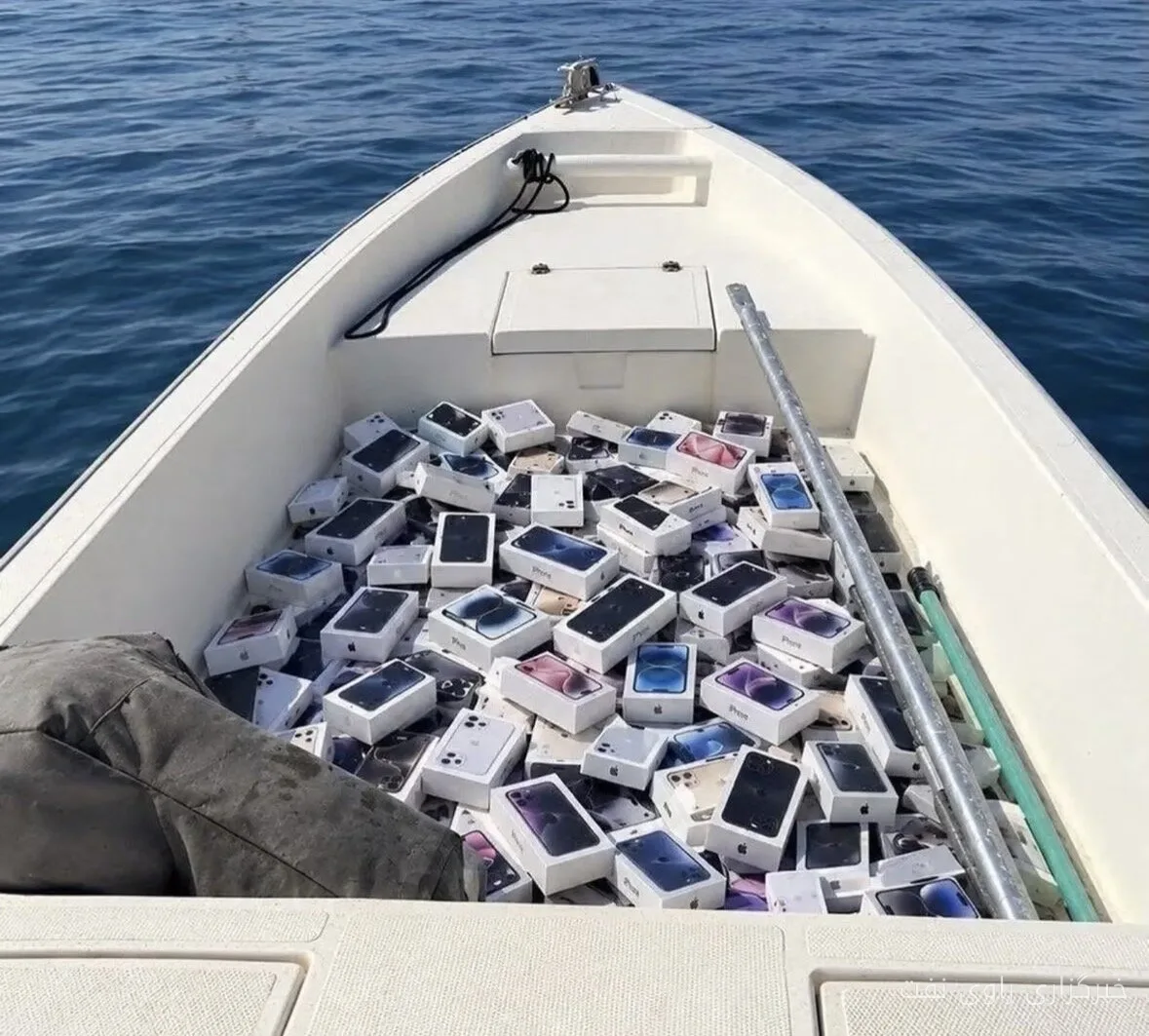
The Strait of Hormuz, as one of the key routes for oil tankers, has witnessed concerning developments in recent months. The images reflecting the cargo of a sunken container ship in this waterway, including boxes of mobile phones and expensive perfumes, have once again drawn attention to the economic costs arising from insecurity in this strategic passage. The costs of insecurity go beyond material damages and loss of cargo and can gradually be distributed throughout the global trade chain.
Oil Flow from the Strait of Hormuz and Its Consequences
The Strait of Hormuz is not only a passage for oil tankers but also a critical point in connecting Gulf energy producers to global markets. Any disruption in the flow of ships can affect the cost of transporting crude oil, petroleum products, and gas, ultimately leading to increased energy prices, industrial production costs, and transportation expenses.
Read more: Increase in Iran's Daily Crude Oil Production to 3.715 Million Barrels
Data from Kpler indicates that the average oil flow through the Strait of Hormuz reached about 9.7 million barrels per day in September 2026, the highest monthly average since the war began on February 28. However, on October 11, the volume of passing oil decreased to about 2.9 million barrels, indicating a significant drop in oil flow. These fluctuations will have considerable effects on the global energy market.
Economic Consequences of Maritime Insecurity
A decrease in oil flow can have serious implications for the global market. First, the supply available to buyers decreases, and competition for the existing cargoes increases. Second, the cost of transporting cargoes rises, and third, concerns about the continuation of disruptions, even before a widespread shortage occurs, affect market expectations.
According to statistics from the International Maritime Organization, as of October 14, 2026, the number of confirmed incidents against ships in the Middle East and the Strait of Hormuz has reached 113, including 35 related to oil tankers and vessels carrying petroleum products. These figures emphasize that maritime security plays a vital role in the energy supply chain. Damage to oil tankers can limit the operational capacity of the fleet in addition to direct losses.
In this situation, the market does not only react to the amount of oil that is actually passing through; the likelihood of continued disruption also becomes a factor for increasing risk and altering business decisions. Therefore, maritime insecurity can raise the cost of energy supply before a physical shortage occurs.
Read more: Decrease in VLCC Tanker Rates in International Markets · OPEC+ Meeting Held on the Sidelines of the Saudi Conference



