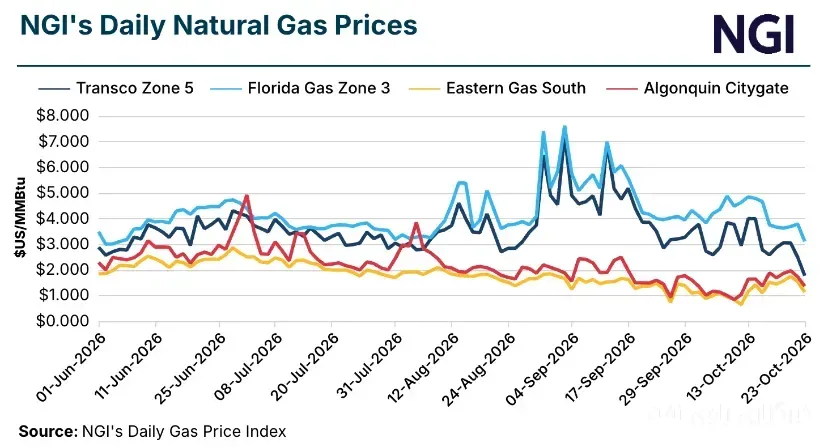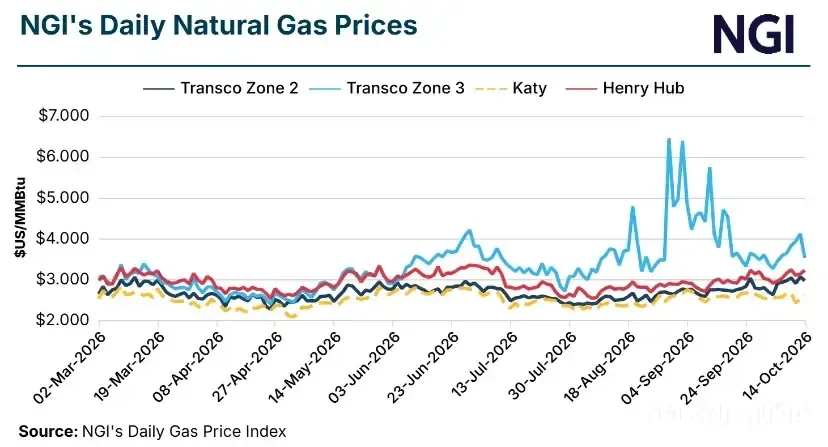
The capacity of natural gas transmission lines to the Gillis hub in Louisiana has approached a critical state. Given the increasing demand for liquefied natural gas (LNG) and developers' plans to expand gas terminals on the Gulf Coast, this issue has become a serious challenge.
Increasing Demand and Capacity Constraints
Currently, the capacity of the pipelines serving the Gillis hub has neared its maximum, and this could negatively impact the plans of LNG developers. The existing pipelines in this area, especially under the current conditions where demand has surged, have reached saturation point.
Read more: Republicans in the House of Representatives Seek to Block Trump's Russian Diesel Deal
Given these conditions, developers must seek new ways to meet natural gas supply needs. This issue is particularly important for new projects currently under development.
Economic and Industrial Implications
Pipeline capacity constraints could have significant economic repercussions. If additional capacity cannot be secured, natural gas prices may rise, leading to increased energy costs nationwide. Additionally, this situation may negatively impact the trend of attracting new investments in the LNG industry.
In recent years, the United States has become one of the largest natural gas producers in the world. However, if it cannot quickly develop the necessary infrastructure, it may fail to capitalize on this position effectively. Consequently, careful planning and investment in the development of new pipelines are of utmost importance.
Read more: Tensions Between Trump and Zelensky Reach Lowest Level · Venture Global Signs New Power Generation Contracts with GE Vernova and Baker Hughes