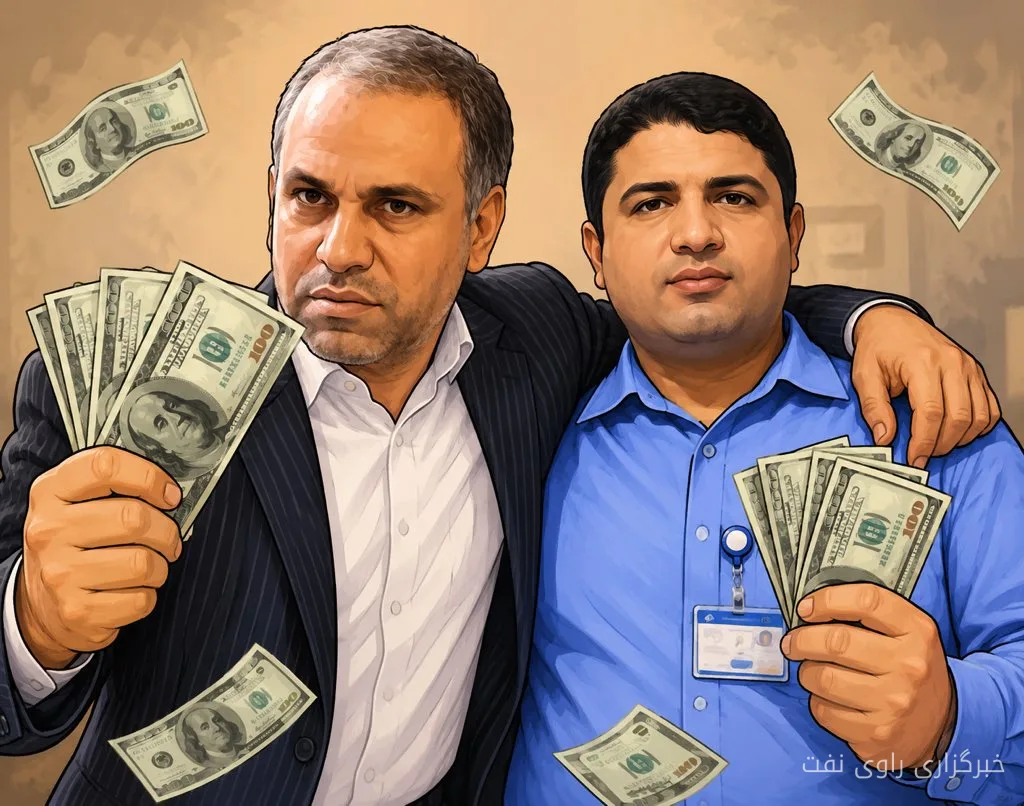
In a controversial development in the oil and energy industry, the board of a company named Um al-Fasad has sold $100,000 of its assets. This sale occurred due to the dismissal of one of the board members from Morvarid for financial and ethical corruption. This action has not only raised many questions about financial and ethical transparency in this industry but has also called into question the managerial capability of the oil minister.
Background of Dismissal and Financial Corruption
The dismissal of the individual from Morvarid due to allegations of financial and ethical corruption is a warning sign for the oil industry. This issue highlights structural problems in the regulatory and managerial systems within the country's oil and gas industry. Especially at a time when many companies are facing financial and managerial challenges, such behaviors can have serious repercussions for the entire industry.
Dimensions of the Sale and Consequences
The $100,000 sale by the board of Um al-Fasad, in addition to public criticism, could lead to a loss of trust among investors and customers. This issue clearly impacts the financial performance and reputation of the company and could result in a decrease in investments in future projects.
Analysts believe that such decisions, alongside managerial weaknesses, could be a major factor in future crises in the oil and gas industry. There seems to be a pressing need for a serious review of policies and managerial practices to prevent such problems from arising in the future.
Ultimately, these developments make the role of oversight and transparency in the oil and gas industry more prominent, and the necessity for fundamental reforms in this area is strongly felt.