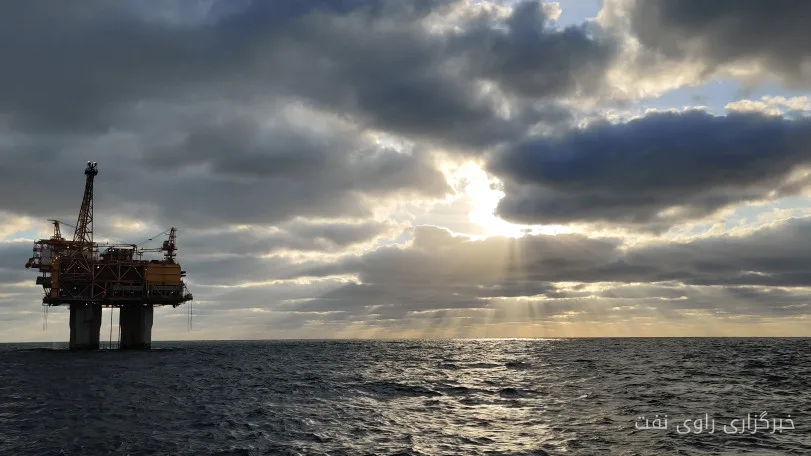
The Jackdaw project, with a capacity of 200 million barrels of oil, has recently been approved and is recognized as an important step in the development of the North Sea drilling industry. This project has been specifically launched to increase oil production in this area and could have significant impacts on the oil market and the environment.
Details of the Jackdaw Project
The Jackdaw project, as one of the largest drilling projects in the North Sea, is designed to exploit the oil reserves of this region. The production capacity of this field is estimated at 200 million barrels of oil, and drilling operations are expected to fully commence in the coming years. Due to the innovative technologies used, this project could help reduce extraction costs and increase efficiency.
Economic and Environmental Implications
The Jackdaw project not only contributes to increasing oil production in the North Sea but could also have significant positive and negative impacts on the local and global economy. On one hand, increased oil production could lead to a decrease in global oil prices, while on the other hand, there are concerns about the environmental impacts of this project. Since drilling in marine areas is always accompanied by challenges, there is a greater need to adhere to environmental and safety standards.
Ultimately, the approval of the Jackdaw project could be a sign of the determination of governments and oil companies to exploit existing energy resources while still seeking solutions to mitigate the negative effects of these activities on the environment.



