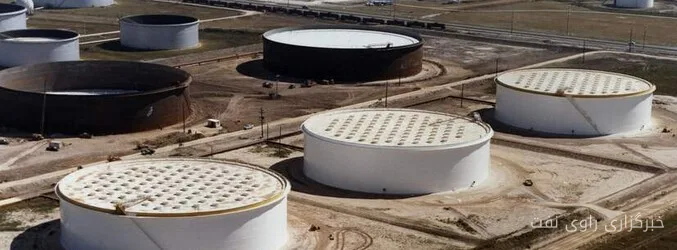
America has issued an order to release 40 million barrels of oil from its strategic reserves to combat rising fuel prices. This action is taking place with less than two months remaining until the midterm elections, and fuel prices have significantly increased.
Details of the Oil Release
According to the U.S. Department of Energy, this release is part of 172 million barrels of oil that the country has been coordinating to supply to the market from various countries since the beginning of the war against Iran. These reserves are decreasing due to rising demand and political pressures, and will reach their lowest level since 1982.
Read more: The Need to Accelerate the Reconstruction of Petrochemical Complexes by Omid Shakri
Pressure on the U.S. Government
Rising oil and fuel prices, especially gasoline which is currently above $4 per gallon and diesel which has reached a record $6 per gallon, have put significant pressure on the Donald Trump administration. Meanwhile, Energy Secretary Chris Wright has stated that European countries have fallen behind in this regard and have been asked to fulfill their commitments regarding oil releases.
The Energy Secretary has also acknowledged that the new release will be conducted as a transaction, meaning that companies must repay the released oil with interest. It is expected that this action will ultimately return about 200 million barrels back to the strategic reserves.
Forecasts and Consequences
According to forecasts, the strategic reserves will reach a level where the government cannot easily undertake unnecessary releases. Under federal law, when the inventory of reserves falls below 252.4 million barrels, non-emergency releases will be prohibited. Additionally, a report from the U.S. Government Accountability Office in 1981 did not recommend releasing reserves below 250 million barrels except in cases of severe emergencies.
This action comes as the U.S. government and other countries seek to foster international cooperation in managing energy crises and are striving to meet global market needs.
Read more: Qatar Energy Extends State of Emergency for LNG Supply · Retreat of Oil and Metal Prices in the Global Market