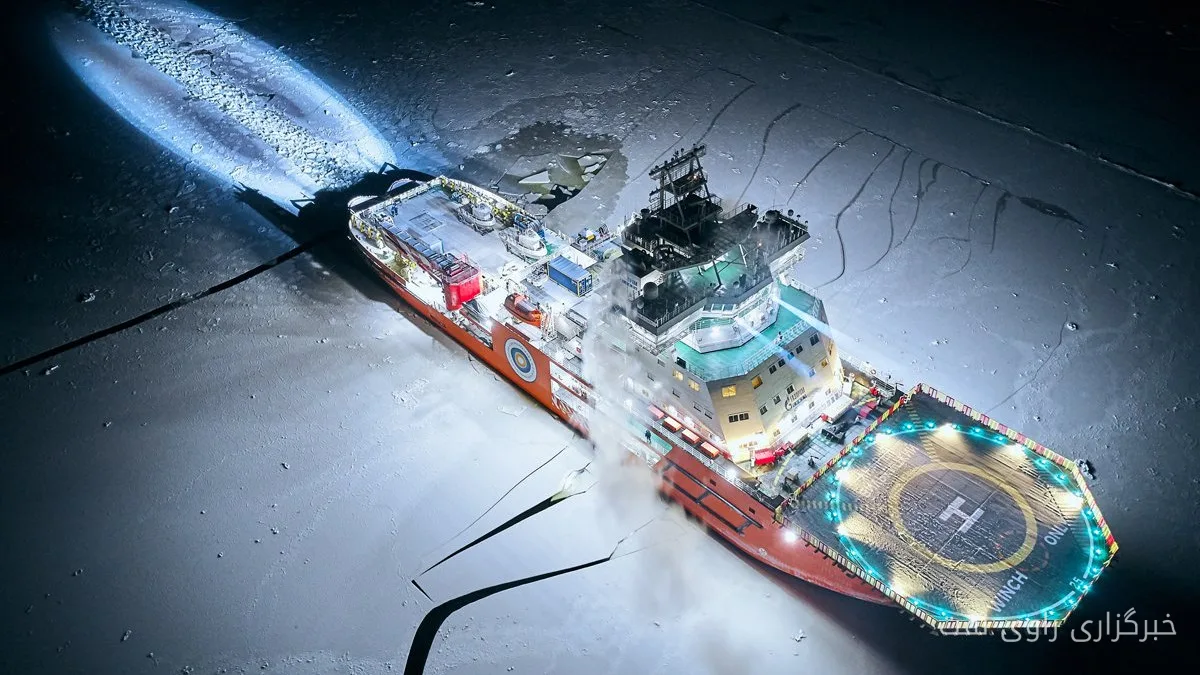
Russia is increasing its exports of oil and liquefied natural gas via the Northern Sea Route to meet the needs of this region amid global instability. In 2026, Russian oil exports via the Northern Sea Route (NSR) are expected to reach 20 million barrels, showing an increase of nearly 50% compared to the previous year.
Increase in Oil Export Volume
During the period from July to mid-October, when the Arctic sea ice is at its lowest, Russia has utilized a shadow fleet to bypass chokepoints and meet Asia's needs. According to traders, the volume of Russian oil exports via this route could increase by another 5 to 10 million barrels by the end of the navigation season. Last season, the volume of oil exports via this route was 13 million barrels.
Northern Sea Route and Its Advantages
The Northern Sea Route is 13,947 kilometers long, significantly shorter than the Suez Canal route, which is 20,921 kilometers long. However, this route is considered more expensive and dangerous. This year, due to disruptions in the Suez Canal, the Strait of Hormuz, and the Black Sea, the Northern Sea Route has been introduced as a significant option for Russian oil exports to Asia. This route allows Russian oil exporters to deliver their products to the markets of China and India without Western inspections and port restrictions.
New domestic energy projects in northern Russia, such as the Vostok Oil project and the expansion of LNG operations in the Arctic, are actively pumping and sending larger volumes to Asian supply chains. Meanwhile, tanker freight rates have reached record highs, as supertankers face obstacles and delays such as transferring oil from ship to ship outside the Strait of Hormuz.
The high transportation costs have changed the behavior of Asian buyers, leading them to increasingly use smaller tankers and long-term charter contracts for crude oil supply. These higher rates have also forced Asian refiners to seek alternative options from the Middle East and Latin America.
For Russia, the Northern Sea Route represents a safe alternative to European waters, where tankers are frequently detained. The United States, European Union, and the UK have sanctioned hundreds of shadow fleet tankers for violating price caps or operating without adequate marine insurance. Reports indicate that Gazprom Neft plans to increase its exports via the Northern Sea Route by 35% this year compared to 2025.
Vladimir Putin, the President of Russia, stated at an economic meeting in Vladivostok that Russia expects cargo traffic through the Northern Sea Route to double to 70 million tons per year by 2030. China and India are the largest buyers of Russian crude oil, with China directly sourcing nearly 1 million barrels of Russian crude daily through land-based infrastructure, primarily via the ESPO pipeline.



