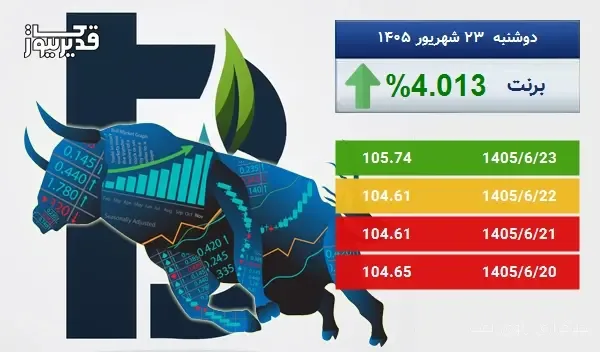
The price of Brent oil increased significantly by 4.013% in the five days leading up to this report, reaching $105 per barrel. This price increase reflects strong demand in the global oil market and the economic impacts resulting from recent geopolitical developments.
Factors Influencing the Price Increase
Oil market analysts believe that several factors have contributed to this price increase. The first factor is the reduction in oil production in some major producing countries, which is affected by sanctions and production agreements. Additionally, the increase in demand, especially from Asian countries, particularly China, has played an important role in this rise.
The second influencing factor is the volatility of prices in energy markets and the rising production costs due to supply chain crises. Crises caused by adverse weather conditions and logistical problems globally have prevented producers from reaching their full capacity.
Economic Consequences and Global Market
The increase in Brent oil prices could have widespread consequences for the global economy. This rise increases energy costs in various countries and will put pressure on households and businesses. Moreover, this situation could lead to rising inflation rates in many countries.
In the market, this price increase could lead to increased investment in the energy and oil and gas sectors. Oil companies may move towards developing new fields and increasing their production capacities to take advantage of this price rise.
Finally, based on existing forecasts, it is expected that this upward trend in oil prices will continue until the end of this year unless unexpected political or economic developments occur that could halt this trend.
Read more: Chinese Refineries on the Verge of Reducing Oil Production!