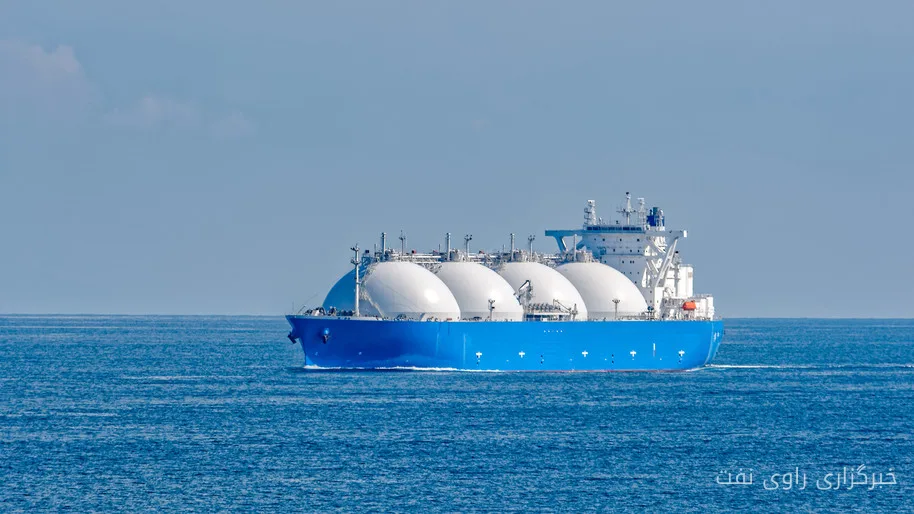
In September 2023, 21 LNG shipments exited the Strait of Hormuz, marking the highest monthly figure since the onset of the Iran war. However, this amount is significantly lower than pre-war levels. According to analytical data, these shipments have passed through the Strait of Hormuz, which managed one-fifth of the global LNG supply before the war.
Status of LNG and Crude Oil Shipments
This week, three Qatari LNG shipments have been observed from the Ras Laffan area outside the Strait of Hormuz. In the times before the war, an average of three LNG shipments exited the Strait of Hormuz daily. However, most LNG carriers are currently operating in 'dark mode' while passing through the Strait of Hormuz, making their tracking more difficult and complicating estimates related to flows and global supply balance.
Read more: 45% Decrease in Petroleos Mexicanos Crude Oil Exports in August
Challenges Facing LNG Supply
In recent weeks, LNG shipments from Qatar and the United Arab Emirates have been able to pass through the Strait of Hormuz, but their volume is not significant enough to have a considerable impact on the global LNG balance. Despite millions of barrels of crude oil passing through the Strait daily, LNG shipments face more challenges in crossing this critical point. This is due to the difficulties in reloading gas in ship-to-ship (STS) transfers compared to oil.
The sharp decline in LNG flows from the Middle East over the past six months has driven gas prices in Asia and Europe to their highest levels since the 2022-2023 energy crisis in September. Buyers are competing for available supplies that do not require passage through the Strait of Hormuz. Meanwhile, Qatar has extended its 'force majeure' status for LNG deliveries to Asia and Europe for another month until the end of November, as traffic of LNG shipments through the Strait of Hormuz remains largely blocked.
Concerns about the sharp decline in LNG flows from the Middle East this winter for Europe and Asia are rising, especially if the winters are colder than usual.
Read more: U.S. House of Representatives Passes Oil and Gas Licensing Bill · Brent Oil Price Remained Above $100 on Last Day of November Contract